
Category: Travel News

  • A Weekend That Has a Little Bit of Everything: Golf, Fishing, and Slow Evenings

    A Weekend That Has a Little Bit of Everything: Golf, Fishing, and Slow Evenings

    There are some weekends that feel almost too short before they’ve even started. You leave work tired, hoping to switch off for a couple of days, and somehow end up checking emails on Saturday morning. A proper getaway can change that. And when a destination offers open space, outdoor activities and a few quiet comforts, it becomes much easier to forget about the usual rush.

    That’s why places that combine recreation with relaxation have such a strong appeal. You might spend the morning outdoors, enjoy a long lunch, and finish the evening doing absolutely nothing. Honestly, that last part can be the best one.

    Start the Morning Outdoors

    A good getaway usually begins with getting outside before the day becomes busy. Fresh air, cooler temperatures and a little movement can make you feel surprisingly energetic.

    For some travelers, golfing is the perfect way to start. It gives you something to focus on without feeling like a race. You can walk between holes, enjoy the scenery and have a conversation along the way. Even people who aren’t serious golfers can appreciate the slower rhythm of the game.

    If you’re planning a golf-focused trip, check whether the course requires advance booking and whether there are specific dress codes. It’s also worth considering the season. A beautiful course isn’t quite as enjoyable when you’re unprepared for extreme heat, rain or strong winds.

    Make Time for the Water

    After a morning on the course, spending time near the water can feel like a natural change of pace. Lakes, rivers and coastal areas offer plenty of simple activities, and you don’t need to be an expert at any of them.

    Fishing is a good example. It requires patience, which might sound boring until you actually try it. There’s something oddly calming about sitting quietly, watching the water and waiting. You might catch something, you might not. Either way, the experience can be more valuable than the result.

    If you’re fishing somewhere unfamiliar, learn the local regulations first. Some places require permits, have seasonal restrictions or limit the type and number of fish you can keep. Responsible fishing also means leaving the area clean and handling wildlife carefully.

    The Importance of Doing Less

    One thing people often forget when planning a trip is that rest is an activity too.

    We tend to build itineraries as if every empty hour is a problem that needs solving. Breakfast at eight, activity at nine, sightseeing at eleven, lunch at one. By Sunday evening, you’re exhausted and wondering why the “relaxing” weekend felt like another job.

    Leave some space in your schedule. Sit outside with coffee. Read a few pages of a book. Take a slow walk without deciding where you’re going. Those unplanned moments often become the memories you remember most clearly.

    Small Comforts Can Make a Big Difference

    After a long day outside, comfort suddenly matters a lot more. A warm shower, a comfortable bed and a quiet room can feel luxurious after hours of activity.

    If your accommodation offers a sauna, make time for it. A sauna can be a pleasant way to unwind, particularly after walking, golfing or spending several hours outdoors. Just remember to stay hydrated and follow the facility’s safety guidance, especially if you aren’t accustomed to high heat.

    You don’t need an elaborate wellness routine. Sometimes ten or fifteen quiet minutes is enough to help you mentally switch from “doing” to simply being.

    Eat Well, Without Overthinking It

    Food is another underrated part of a good getaway. You don’t necessarily need a five-course dinner. A simple meal enjoyed outside can be far more satisfying after a busy day.

    Look for local restaurants, small cafés or places serving regional specialties. Trying something you wouldn’t normally order can become part of the adventure. And if you’re staying somewhere with cooking facilities, picking up fresh ingredients and making dinner together can be fun too.

    Don’t forget breakfast. A relaxed breakfast can set the tone for the entire day, especially when you aren’t rushing to catch a train or attend a meeting.

    Pack for the Activities You Actually Want

    Packing for an outdoor weekend doesn’t need to be complicated, but it does require a little thought.

    Bring comfortable walking shoes, weather-appropriate clothing, sunscreen and a reusable water bottle. If fishing is part of your plan, make sure you know what equipment is available at the destination and what you need to bring yourself. Golfers should check course requirements before packing clubs and clothing.

    An extra layer is always useful. Weather can change quickly around open water, and evenings may feel cooler than expected.

    Most importantly, don’t pack your entire house. A lighter bag makes moving around easier, and you’ll probably realize you didn’t need half the things you brought anyway.

    Let the Weekend Have Its Own Rhythm

    The best short trips aren’t necessarily the ones packed with the most activities. They’re the ones where everything seems to happen at the right pace.

    Maybe Saturday begins with a round of golf, followed by lunch near the water. The afternoon might be spent fishing, walking or simply sitting somewhere with a good view. Later, you return to your accommodation, clean up and enjoy a quiet evening.

    Sunday can be slower. Sleep a little longer. Have breakfast without looking at the clock. Take one last walk before heading home.

    That balance is what makes an outdoor getaway feel different from an ordinary weekend.

    Leave Feeling Refreshed, Not Rushed

    A memorable trip doesn’t have to involve a distant destination or an expensive itinerary. Sometimes, the perfect escape is simply a place where you can enjoy a few things you love and have enough quiet time in between.

    Golf, fishing and relaxing facilities each offer something different, but together they create a surprisingly complete experience. You get movement without pressure, outdoor adventure without constant excitement, and comfort when you finally want to slow down.

    And perhaps that’s the real luxury of a weekend away: coming home tired in a good way, with a clearer head and the feeling that, for a little while, life moved at exactly the right speed.
  •  New Visa-Free Countries for Indian Passport Holders

     New Visa-Free Countries for Indian Passport Holders

    Introduction

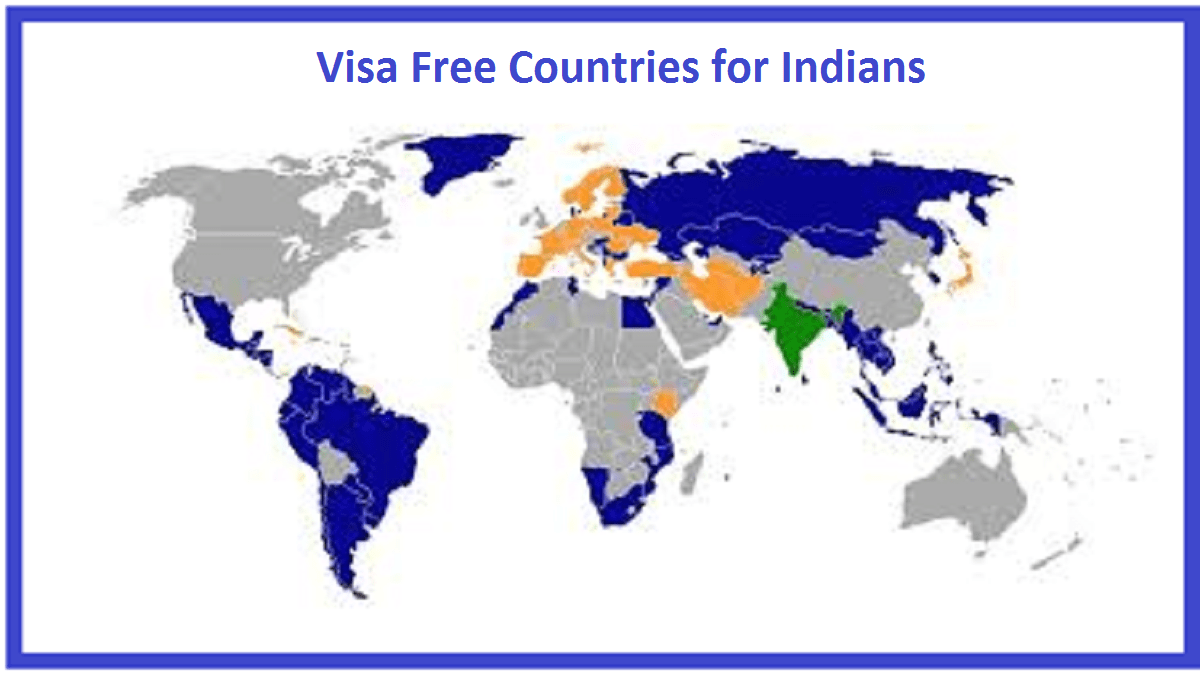
    Visa policies shift more often than most travelers realize, and staying updated on visa-free countries for Indian passport holders can genuinely change where you decide to travel next. A country that required a lengthy application process a couple of years back might now offer visa-free or visa-on-arrival access — worth checking before you rule out a destination based on outdated information.

    Why Visa Policies Keep Changing

    Countries adjust visa requirements based on tourism goals, diplomatic relationships, and reciprocal agreements. A surge in visa-free access for Indian travelers over recent years reflects growing recognition of India’s outbound tourism market specifically.

    Where Indian Passport Holders Currently Get Visa-Free Access

    Several destinations across Asia, Africa, and the Caribbean and Pacific regions offer visa-free entry for Indian citizens, typically for stays ranging from 14 to 90 days depending on the country’s specific policy.

    Quick answer: Indian passport holders currently enjoy visa-free or visa-on-arrival access to a growing list of destinations across Asia, Africa, and the Pacific — always verify current status directly with the destination’s official immigration website before booking, since policies do change.

    Southeast Asian Access

    Thailand, Indonesia, Malaysia, and the Maldives all offer either visa-free entry or visa-on-arrival for Indian passport holders, making the region particularly accessible for shorter notice trips.

    African Destinations Expanding Access

    Several African nations, including Kenya (via an electronic travel authorization system) and Mauritius, have simplified entry processes for Indian travelers in recent years, part of a broader push to boost tourism numbers from India specifically.

    How to Verify Current Visa Status Before Booking

    Always check the destination country’s official immigration or foreign affairs website directly, rather than relying on older blog posts or forum threads — visa policy pages get updated, but secondhand travel content often doesn’t.

    Practical Tips for Visa-Free Travel

    • Even visa-free entry often requires proof of onward travel and sufficient funds — carry documentation just in case
    • Passport validity of at least 6 months beyond your travel dates is typically required regardless of visa status
    • Some visa-free arrangements have annual caps or specific entry point requirements — read the fine print
    • Travel insurance is still worth having even where a visa isn’t required

    FAQ

    How can I find the most current visa-free country list for Indian passport holders? Check the specific country’s official immigration website, since these lists change and secondhand sources can be outdated.

    Do visa-free countries still require any documentation? Usually yes — proof of onward travel, accommodation booking, and sufficient funds are commonly required even without a formal visa.

    Is visa-on-arrival the same as visa-free entry? No — visa-on-arrival still requires a fee and processing at the airport, while visa-free means no visa formality is needed at all.

    Does a visa-free country ever change to requiring a visa again? Yes, this does happen based on diplomatic and policy shifts, which is why checking current status before booking matters.

    Are visa-free stays limited to short durations only? Typically yes, ranging from 14-90 days depending on the specific country’s policy.

    Conclusion

    Keeping track of visa-free countries for Indian passport holders opens up spontaneous travel options that simply weren’t practical a few years ago. Always double-check current requirements directly with official sources before booking flights, since a policy that was accurate last year may have already shifted by the time you’re ready to travel.

    [link to related guide: New Tourist Taxes Introduced in Popular Destinations] [Image alt text: “Indian passport with boarding pass and world map in background”]

  • New Tourist Taxes in Popular Travel Destinations (2026)

    New Tourist Taxes in Popular Travel Destinations (2026)

    Introduction

    Tourist taxes have quietly become one of the most common additions to travel budgets in the last few years, and the list of new tourist tax countries keeps growing as destinations look for ways to manage overtourism and fund local infrastructure. Budgeting for these small but stacking fees is worth doing before, not after, you book.

    Why More Destinations Are Introducing Tourist Taxes

    Overtourism has strained infrastructure, housing, and local resources in several popular destinations, and tourist taxes are increasingly used to directly fund maintenance, environmental protection, and crowd management rather than relying solely on general tax revenue.

    Venice, Italy: Day-Tripper Access Fee

    Venice introduced an access fee specifically targeting day-trippers (not overnight guests) on peak days, aimed at reducing overcrowding during the busiest tourist periods. The fee is relatively small per person but applies broadly.

    Quick answer: Venice’s day-tripper access fee is one of the most talked-about new tourist tax countries examples — it targets same-day visitors specifically on peak dates, aiming to reduce overcrowding rather than generate major revenue.

    Bali, Indonesia: Foreign Tourist Levy

    Bali introduced a one-time entry levy for foreign tourists, collected either online before arrival or at designated points on arrival, with funds directed toward environmental and cultural preservation projects across the island.

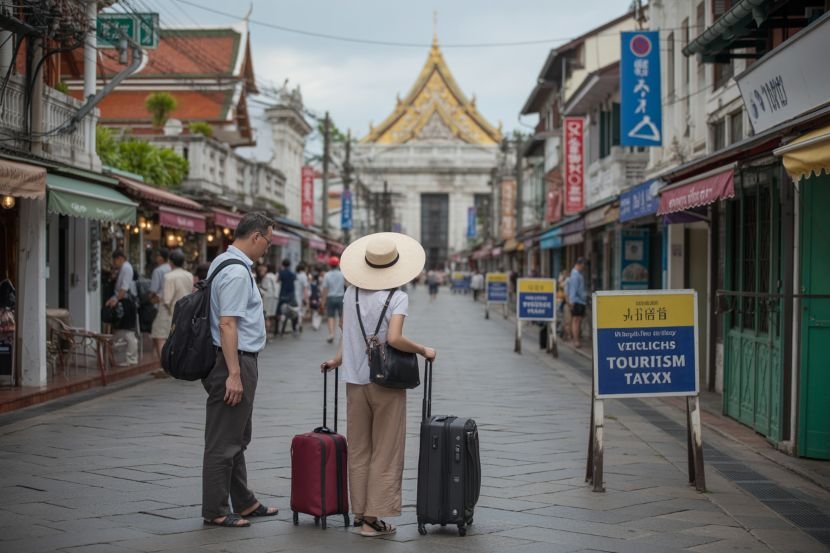
    Thailand: Tourist Fee for International Arrivals

    Thailand has implemented a fee for international arrivals, often bundled into airline ticket pricing rather than collected separately, funding tourism infrastructure and travel insurance-style coverage for visitors.

    European City Taxes Continue Expanding

    Beyond Venice, cities like Amsterdam, Barcelona, and several German cities have increased or introduced accommodation-based tourist taxes, typically charged per night and calculated as either a flat fee or a percentage of the room rate.

    How Much Should You Budget for Tourist Taxes

    These fees are generally small individually — often $1-10 per person or per night — but for longer, multi-city trips, they can add up to a meaningful amount worth factoring into your overall budget.

    Practical Tips for Handling Tourist Taxes

    • Check whether the fee is included in your booking price or collected separately on arrival
    • Keep a small amount of local currency available, since some tourist taxes are cash-only at the point of collection
    • Research current tourist tax policies close to your travel dates, since new destinations are added to this list regularly
    • Factor per-night accommodation taxes into your total trip budget, not just flight and hotel base rates

    FAQ

    Which countries currently have tourist taxes for international visitors? Italy, Indonesia, Thailand, and several major European cities including Amsterdam and Barcelona currently apply some form of tourist tax or levy.

    Is the tourist tax the same as a visa fee? No — a tourist tax is a separate charge, often for accommodation or entry, distinct from any visa application fee.

    Do children have to pay tourist taxes too? This varies by destination — some exempt children under a certain age, while others apply the fee universally.

    Can tourist taxes be paid in advance online? Increasingly yes, particularly for destinations like Bali and Venice that have moved toward digital pre-payment systems.

    Are tourist taxes likely to increase further in coming years? Given the ongoing overtourism concerns in popular destinations, further increases and new introductions are considered likely by most travel industry analysts.

    Conclusion

    The growing list of new tourist tax countries reflects a broader shift in how popular destinations are managing tourism’s impact on local communities and infrastructure. None of these fees are large enough to change whether a trip makes sense, but building them into your budget upfront avoids the small, annoying surprise of an unexpected charge at check-in or arrival.

    [link to related guide: Latest Airline Baggage Rules You Need to Know] [Image alt text: “Crowded tourist street in Venice with historic canal buildings”]