There are some weekends that feel almost too short before they’ve even started. You leave work tired, hoping to switch off for a couple of days, and somehow end up checking emails on Saturday morning. A proper getaway can change that. And when a destination offers open space, outdoor activities and a few quiet comforts, it becomes much easier to forget about the usual rush.
That’s why places that combine recreation with relaxation have such a strong appeal. You might spend the morning outdoors, enjoy a long lunch, and finish the evening doing absolutely nothing. Honestly, that last part can be the best one.
Start the Morning Outdoors
A good getaway usually begins with getting outside before the day becomes busy. Fresh air, cooler temperatures and a little movement can make you feel surprisingly energetic.
For some travelers, golfing is the perfect way to start. It gives you something to focus on without feeling like a race. You can walk between holes, enjoy the scenery and have a conversation along the way. Even people who aren’t serious golfers can appreciate the slower rhythm of the game.
If you’re planning a golf-focused trip, check whether the course requires advance booking and whether there are specific dress codes. It’s also worth considering the season. A beautiful course isn’t quite as enjoyable when you’re unprepared for extreme heat, rain or strong winds.
Make Time for the Water
After a morning on the course, spending time near the water can feel like a natural change of pace. Lakes, rivers and coastal areas offer plenty of simple activities, and you don’t need to be an expert at any of them.
Fishing is a good example. It requires patience, which might sound boring until you actually try it. There’s something oddly calming about sitting quietly, watching the water and waiting. You might catch something, you might not. Either way, the experience can be more valuable than the result.
If you’re fishing somewhere unfamiliar, learn the local regulations first. Some places require permits, have seasonal restrictions or limit the type and number of fish you can keep. Responsible fishing also means leaving the area clean and handling wildlife carefully.
The Importance of Doing Less
One thing people often forget when planning a trip is that rest is an activity too.
We tend to build itineraries as if every empty hour is a problem that needs solving. Breakfast at eight, activity at nine, sightseeing at eleven, lunch at one. By Sunday evening, you’re exhausted and wondering why the “relaxing” weekend felt like another job.
Leave some space in your schedule. Sit outside with coffee. Read a few pages of a book. Take a slow walk without deciding where you’re going. Those unplanned moments often become the memories you remember most clearly.
Small Comforts Can Make a Big Difference
After a long day outside, comfort suddenly matters a lot more. A warm shower, a comfortable bed and a quiet room can feel luxurious after hours of activity.
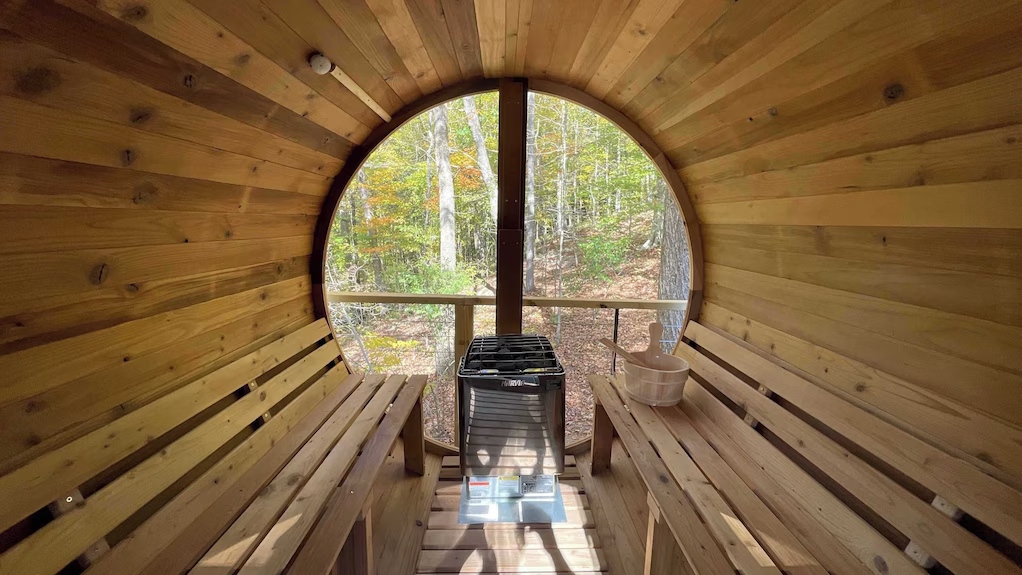
If your accommodation offers a sauna, make time for it. A sauna can be a pleasant way to unwind, particularly after walking, golfing or spending several hours outdoors. Just remember to stay hydrated and follow the facility’s safety guidance, especially if you aren’t accustomed to high heat.
You don’t need an elaborate wellness routine. Sometimes ten or fifteen quiet minutes is enough to help you mentally switch from “doing” to simply being.
Eat Well, Without Overthinking It
Food is another underrated part of a good getaway. You don’t necessarily need a five-course dinner. A simple meal enjoyed outside can be far more satisfying after a busy day.
Look for local restaurants, small cafés or places serving regional specialties. Trying something you wouldn’t normally order can become part of the adventure. And if you’re staying somewhere with cooking facilities, picking up fresh ingredients and making dinner together can be fun too.
Don’t forget breakfast. A relaxed breakfast can set the tone for the entire day, especially when you aren’t rushing to catch a train or attend a meeting.
Pack for the Activities You Actually Want
Packing for an outdoor weekend doesn’t need to be complicated, but it does require a little thought.
Bring comfortable walking shoes, weather-appropriate clothing, sunscreen and a reusable water bottle. If fishing is part of your plan, make sure you know what equipment is available at the destination and what you need to bring yourself. Golfers should check course requirements before packing clubs and clothing.
An extra layer is always useful. Weather can change quickly around open water, and evenings may feel cooler than expected.
Most importantly, don’t pack your entire house. A lighter bag makes moving around easier, and you’ll probably realize you didn’t need half the things you brought anyway.
Let the Weekend Have Its Own Rhythm
The best short trips aren’t necessarily the ones packed with the most activities. They’re the ones where everything seems to happen at the right pace.
Maybe Saturday begins with a round of golf, followed by lunch near the water. The afternoon might be spent fishing, walking or simply sitting somewhere with a good view. Later, you return to your accommodation, clean up and enjoy a quiet evening.
Sunday can be slower. Sleep a little longer. Have breakfast without looking at the clock. Take one last walk before heading home.
That balance is what makes an outdoor getaway feel different from an ordinary weekend.
Leave Feeling Refreshed, Not Rushed
A memorable trip doesn’t have to involve a distant destination or an expensive itinerary. Sometimes, the perfect escape is simply a place where you can enjoy a few things you love and have enough quiet time in between.
Golf, fishing and relaxing facilities each offer something different, but together they create a surprisingly complete experience. You get movement without pressure, outdoor adventure without constant excitement, and comfort when you finally want to slow down.
And perhaps that’s the real luxury of a weekend away: coming home tired in a good way, with a clearer head and the feeling that, for a little while, life moved at exactly the right speed.