Introduction
Tourist taxes have quietly become one of the most common additions to travel budgets in the last few years, and the list of new tourist tax countries keeps growing as destinations look for ways to manage overtourism and fund local infrastructure. Budgeting for these small but stacking fees is worth doing before, not after, you book.
Why More Destinations Are Introducing Tourist Taxes
Overtourism has strained infrastructure, housing, and local resources in several popular destinations, and tourist taxes are increasingly used to directly fund maintenance, environmental protection, and crowd management rather than relying solely on general tax revenue.
Venice, Italy: Day-Tripper Access Fee
Venice introduced an access fee specifically targeting day-trippers (not overnight guests) on peak days, aimed at reducing overcrowding during the busiest tourist periods. The fee is relatively small per person but applies broadly.
Quick answer: Venice’s day-tripper access fee is one of the most talked-about new tourist tax countries examples — it targets same-day visitors specifically on peak dates, aiming to reduce overcrowding rather than generate major revenue.
Bali, Indonesia: Foreign Tourist Levy
Bali introduced a one-time entry levy for foreign tourists, collected either online before arrival or at designated points on arrival, with funds directed toward environmental and cultural preservation projects across the island.
Thailand: Tourist Fee for International Arrivals
Thailand has implemented a fee for international arrivals, often bundled into airline ticket pricing rather than collected separately, funding tourism infrastructure and travel insurance-style coverage for visitors.
European City Taxes Continue Expanding
Beyond Venice, cities like Amsterdam, Barcelona, and several German cities have increased or introduced accommodation-based tourist taxes, typically charged per night and calculated as either a flat fee or a percentage of the room rate.
How Much Should You Budget for Tourist Taxes
These fees are generally small individually — often $1-10 per person or per night — but for longer, multi-city trips, they can add up to a meaningful amount worth factoring into your overall budget.
Practical Tips for Handling Tourist Taxes
- Check whether the fee is included in your booking price or collected separately on arrival
- Keep a small amount of local currency available, since some tourist taxes are cash-only at the point of collection
- Research current tourist tax policies close to your travel dates, since new destinations are added to this list regularly
- Factor per-night accommodation taxes into your total trip budget, not just flight and hotel base rates
FAQ
Which countries currently have tourist taxes for international visitors? Italy, Indonesia, Thailand, and several major European cities including Amsterdam and Barcelona currently apply some form of tourist tax or levy.
Is the tourist tax the same as a visa fee? No — a tourist tax is a separate charge, often for accommodation or entry, distinct from any visa application fee.
Do children have to pay tourist taxes too? This varies by destination — some exempt children under a certain age, while others apply the fee universally.
Can tourist taxes be paid in advance online? Increasingly yes, particularly for destinations like Bali and Venice that have moved toward digital pre-payment systems.
Are tourist taxes likely to increase further in coming years? Given the ongoing overtourism concerns in popular destinations, further increases and new introductions are considered likely by most travel industry analysts.
Conclusion
The growing list of new tourist tax countries reflects a broader shift in how popular destinations are managing tourism’s impact on local communities and infrastructure. None of these fees are large enough to change whether a trip makes sense, but building them into your budget upfront avoids the small, annoying surprise of an unexpected charge at check-in or arrival.
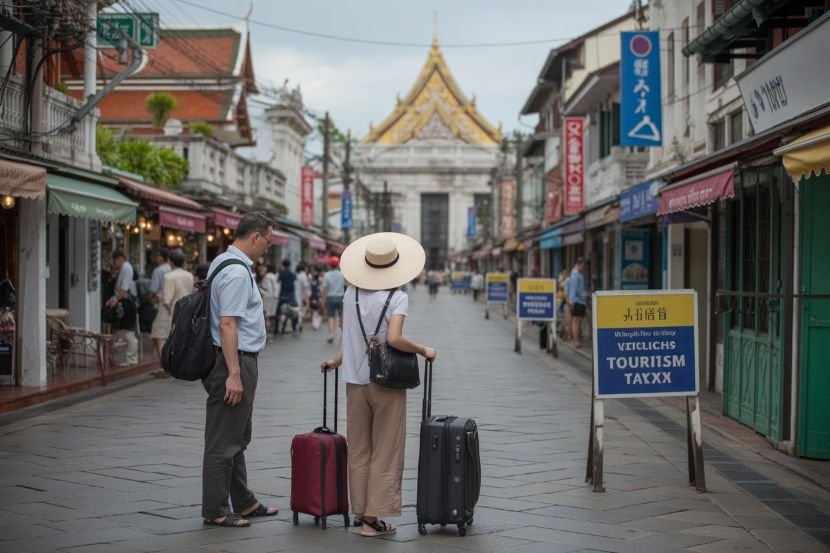
[link to related guide: Latest Airline Baggage Rules You Need to Know] [Image alt text: “Crowded tourist street in Venice with historic canal buildings”]
Three checks before you move.
Verify the rules
Recheck entry requirements, local restrictions, schedules and official notices close to departure.
Compare total cost
Look beyond the headline price and include transfers, baggage, taxes and time.
Keep a backup route
Save alternate transport, flexible bookings and essential contact details offline.
Build a clear plan, not a rigid one.
A strong itinerary gives you direction while leaving enough room for delays, discoveries and better local choices.

Admin
Independent travel guidance focused on clearer decisions, practical routes and fewer avoidable surprises.