Category: Adventure

  •  Best Trekking Trails in the Himalayas for Beginners

     Best Trekking Trails in the Himalayas for Beginners

    Introduction

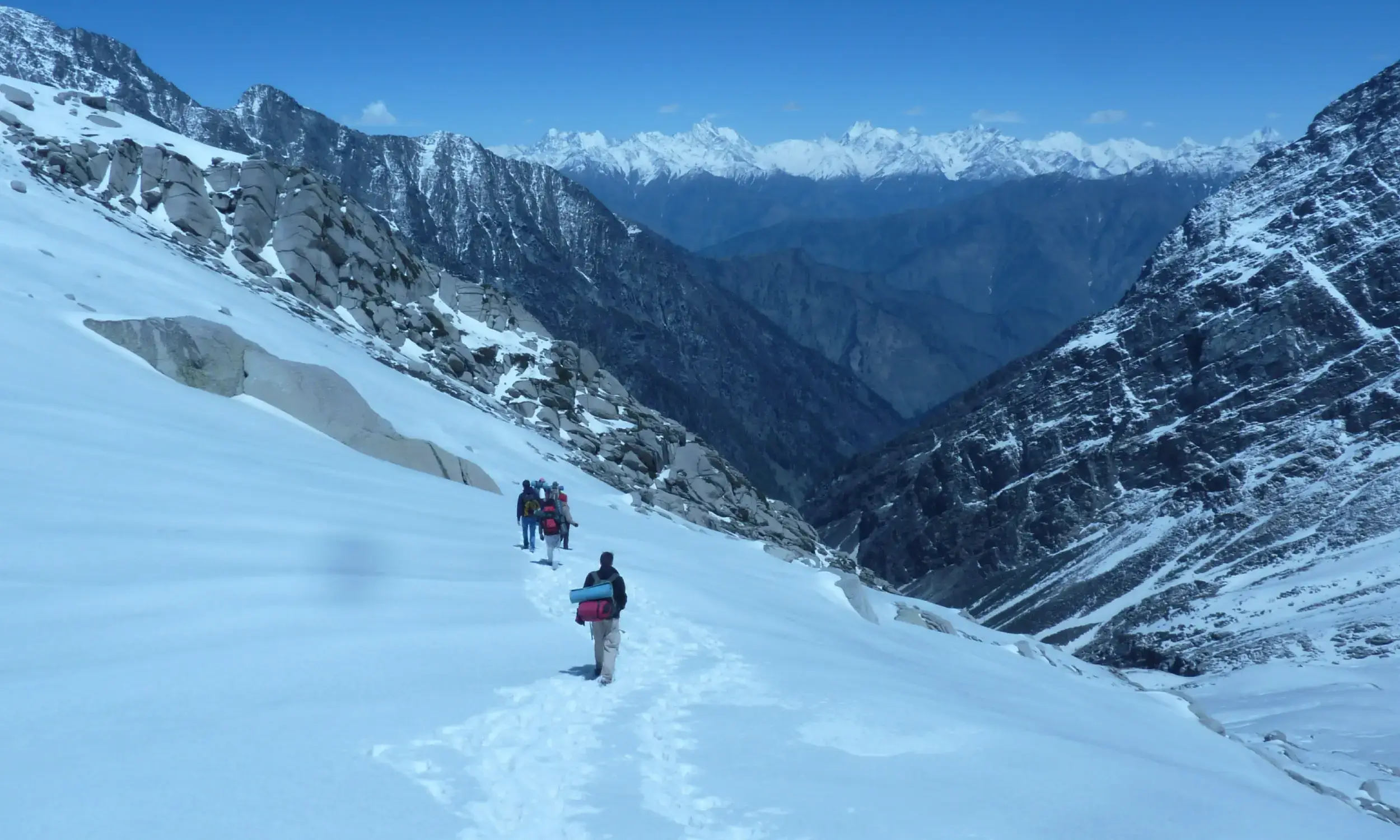
    The Himalayas have a reputation for extreme, expedition-level trekking, which scares off a lot of beginners who assume every trail requires months of prior training. That’s not true. Several Himalayan trekking trails are genuinely beginner-friendly, well-marked, and don’t demand technical climbing experience — just reasonable fitness and the right season.

    What Makes a Trek “Beginner-Friendly”

    Altitude gain per day, trail difficulty, and total trek duration are the three factors that matter most. A good beginner trek stays under 4,000 meters, gains altitude gradually, and runs 4-6 days rather than two weeks.

    Kedarkantha Trek, Uttarakhand

    A 6-day trek reaching 12,500 feet, with a summit that offers 360-degree Himalayan views. It’s widely considered one of the best introductions to snow trekking in India, typically done between December and April.

    Quick answer: Kedarkantha is widely rated the best beginner Himalayan trek in India — a 6-day route with gradual altitude gain, well-marked trails, and stunning snow-capped summit views, ideal for December-April.

    Triund Trek, Himachal Pradesh

    A short 2-day trek near McLeod Ganj, perfect for someone testing whether trekking is even for them before committing to something longer. The Dhauladhar range views from the top are strikingly close given how little effort it takes to get there.

    Nag Tibba Trek, Uttarakhand

    Often called a “weekend trek,” this 2-day route near Dehradun is manageable for most fitness levels and offers a good taste of Himalayan trekking without needing more than a weekend off work.

    Sandakphu Trek, West Bengal

    Slightly longer at 6 days, but the payoff is views of four of the world’s five highest peaks — Everest, Kanchenjunga, Lhotse, and Makalu — from a single vantage point, which is genuinely rare.

    Preparing for Your First Himalayan Trek

    • Start basic cardio training (jogging, stair climbing) at least 3-4 weeks before departure
    • Break in trekking boots well before the trip — new boots on day one is a rookie mistake
    • Pack layers rather than one heavy jacket; Himalayan weather shifts fast
    • Always trek with a registered local guide or agency, especially for a first attempt

    FAQ

    Do I need prior experience for these beginner Himalayan treks? No, but basic fitness (being able to walk 8-10km comfortably) makes a significant difference in enjoyment.

    What’s the best season for beginner Himalayan treks? March-June and September-November generally offer the most stable weather across most of these routes.

    Is altitude sickness a risk on these beginner treks? It’s a lower risk given these treks stay under 4,000m, but staying hydrated and ascending gradually still matters.

    How much does a guided beginner Himalayan trek cost? Typically ₹6,000-15,000 depending on duration, inclusions, and the trekking agency.

    Can I do these treks solo without a guide? It’s not recommended, even for beginner-rated trails — local guides know terrain and weather patterns that aren’t obvious to first-timers.

    Conclusion

    These Himalayan trekking trails prove you don’t need mountaineering experience to get a genuine taste of Himalayan scale and silence. Start with something like Triund or Nag Tibba if you’re testing the waters, and work up to Kedarkantha once you know trekking is something you actually enjoy.

    [link to related guide: Ultimate Guide to Wildlife Safaris in Africa] [Image alt text: “Trekkers walking snow-covered trail with Himalayan peaks in background”]

  • Top Scuba Diving Destinations for First-Time Divers

    Top Scuba Diving Destinations for First-Time Divers

    Introduction

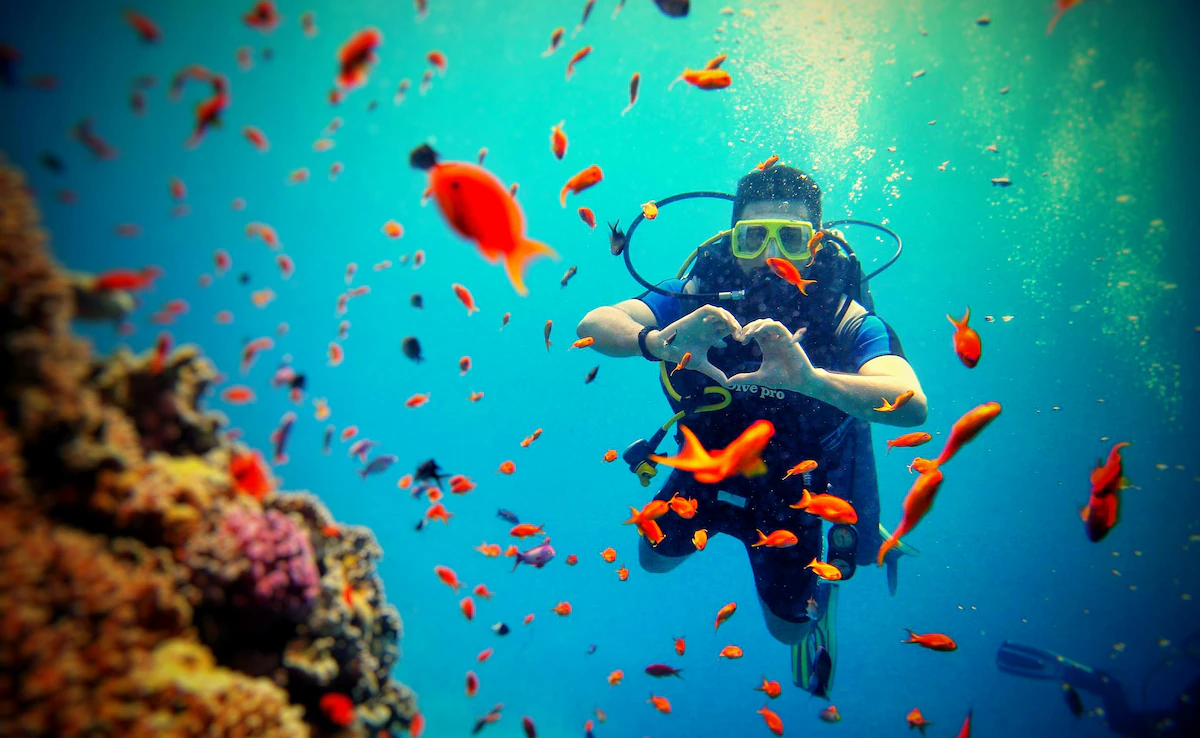
    Your first scuba dive shouldn’t happen in choppy water with poor visibility — that’s a fast way to make someone quit diving after one try. The best scuba diving destinations for beginners share a few things in common: calm, warm water, strong visibility, and dive schools with genuinely patient instructors.

    What Beginners Should Look For in a Dive Destination

    Water temperature above 24°C, visibility of at least 15-20 meters, and shallow reef sites under 12 meters depth make the biggest difference in how comfortable a first dive feels.

    Gili Islands, Indonesia

    Calm, current-light waters close to Bali, with an enormous number of PADI-certified dive schools competing on quality. Turtle sightings here are common enough that instructors almost promise them.

    Quick answer: For first-time divers, the Gili Islands in Indonesia offer some of the best conditions anywhere — warm, calm water, excellent visibility, and a high concentration of well-reviewed PADI dive schools.

    Koh Tao, Thailand

    Known within the diving community as one of the cheapest places in the world to get PADI certified, without sacrificing water quality or instructor standards. Whale sharks occasionally show up here too, a genuine bonus for beginners.

    Great Barrier Reef, Australia (Cairns Section)

    More expensive than Southeast Asian options, but the reef diversity is genuinely unmatched. Beginner-specific dive sites near Cairns keep depth and current manageable while still showing off serious coral variety.

    Red Sea, Egypt

    Exceptionally clear water and consistently warm temperatures year-round make this a reliable pick regardless of season — a rare quality among dive destinations that often have narrow weather windows.

    Andaman Islands, India

    A genuinely underrated option for Indian divers specifically — no international flight required, decent PADI schools around Havelock Island, and coral reef quality that surprises most first-timers.

    First Dive Preparation Tips

    • Book a discovery dive (a single supervised dive) before committing to a full certification course
    • Avoid diving within 24 hours before or after a flight, due to decompression risk
    • Choose a dive school with small group sizes — 4 students per instructor or fewer, ideally
    • Don’t skip the pool/confined water session, even if it feels unnecessary

    FAQ

    Do I need to know how to swim to try scuba diving? Yes, basic swimming competence is typically required, even for a beginner discovery dive.

    How long does PADI certification take? Open Water certification typically takes 3-4 days, combining theory, pool sessions, and open water dives.

    Is scuba diving safe for first-timers? Yes, when done with certified instructors following standard safety protocols — serious incidents are rare relative to the number of dives conducted globally.

    What’s the cheapest place to get PADI certified? Koh Tao, Thailand is widely known as one of the most affordable options globally without compromising on quality.

    Can I scuba dive if I wear glasses or contact lenses? Yes — prescription dive masks are available, and contact lenses generally work fine underwater with standard masks.

    Conclusion

    Picking the right one of these best scuba diving destinations as a beginner genuinely shapes whether you fall in love with diving or never try it again. Start somewhere calm like the Gili Islands or Koh Tao, get comfortable underwater, and the more demanding dive sites will still be there once you’re ready for them.

    [link to related guide: Best Trekking Trails in the Himalayas for Beginners] [Image alt text: “Beginner scuba diver exploring coral reef with instructor nearby”]

  •  Ultimate Guide to Wildlife Safaris in Africa (2026)

     Ultimate Guide to Wildlife Safaris in Africa (2026)

    Introduction

    Planning your first safari involves a surprising number of decisions most people don’t expect — which country, which season, budget versus luxury lodges, self-drive versus guided. This Africa wildlife safari guide cuts through that overwhelm by focusing on what actually matters for a genuinely good first safari experience.

    Choosing the Right Country

    Kenya and Tanzania dominate for classic Big Five safaris and the Great Migration. South Africa offers the most beginner-friendly infrastructure, with well-developed roads and malaria-free options in parts of the country. Botswana leans more luxury and remote.

    Timing Around the Great Migration

    The wildebeest migration moves seasonally between Kenya and Tanzania — roughly July-October in Kenya’s Maasai Mara, and December-June across Tanzania’s Serengeti. Timing your trip around this significantly affects which country makes more sense.

    Quick answer: For witnessing the Great Migration specifically, visit Kenya’s Maasai Mara between July and October, or Tanzania’s Serengeti between December and June — timing determines which country offers the better sighting window.

    Budget vs Luxury Safari: What Actually Differs

    Budget safaris (camping, shared vehicles) run $150-250 per day; mid-range lodges with private vehicles run $350-600; luxury tented camps push past $800-1,500 daily. The wildlife viewing quality doesn’t necessarily improve with price — the comfort level does.

    South Africa’s Kruger National Park

    Uniquely beginner-friendly because it allows self-drive safaris on well-maintained roads, cutting costs significantly compared to fully guided trips elsewhere. Malaria-free lodges are also available in the greater Kruger area for travelers wanting that option.

    What a Typical Safari Day Looks Like

    Most lodges run early morning game drives (5:30-9:30 AM, when animals are most active) and late afternoon drives (4-7 PM), with rest during the hot midday hours — not a constant, all-day drive as many first-timers assume.

    Practical Safari Preparation

    • Pack neutral-colored clothing (khaki, olive, brown) — bright colors and white can spook wildlife
    • Bring binoculars; most lodges don’t reliably provide quality ones
    • Budget for a yellow fever vaccination certificate if required for your specific route
    • Book 6-9 months ahead for peak migration season, as top lodges sell out fast

    FAQ

    What’s the best country in Africa for a first safari? Kenya and South Africa are both excellent for first-timers, with South Africa edging ahead on infrastructure and self-drive accessibility.

    How much does a 5-day safari typically cost? Budget options run around $750-1,250 total; mid-range trips run $1,750-3,000; luxury experiences can exceed $4,000 for 5 days.

    Is it safe to go on safari with young children? Many lodges have minimum age requirements (often 6-8 years) for game drives, so check specific lodge policies before booking.

    Do I need vaccinations for an African safari? Yellow fever, typhoid, and malaria prophylaxis are commonly recommended — consult a travel clinic based on your specific route.

    What’s the best time of year to see the most wildlife? Dry season (roughly June-October across most of East and Southern Africa) concentrates wildlife around water sources, making sightings easier.

    Conclusion

    This Africa wildlife safari guide really comes down to matching your budget and timing to the right country and park — there’s no single “best” safari, just the best one for what you’re prioritizing. Whether that’s the migration, self-drive freedom, or luxury comfort, get the timing right and the rest falls into place.

    [link to related guide: Top Scuba Diving Destinations for First-Time Divers] [Image alt text: “Safari jeep watching a herd of elephants at sunset in the savanna”]