Introduction
Visa policies shift more often than most travelers realize, and staying updated on visa-free countries for Indian passport holders can genuinely change where you decide to travel next. A country that required a lengthy application process a couple of years back might now offer visa-free or visa-on-arrival access — worth checking before you rule out a destination based on outdated information.
Why Visa Policies Keep Changing
Countries adjust visa requirements based on tourism goals, diplomatic relationships, and reciprocal agreements. A surge in visa-free access for Indian travelers over recent years reflects growing recognition of India’s outbound tourism market specifically.
Where Indian Passport Holders Currently Get Visa-Free Access
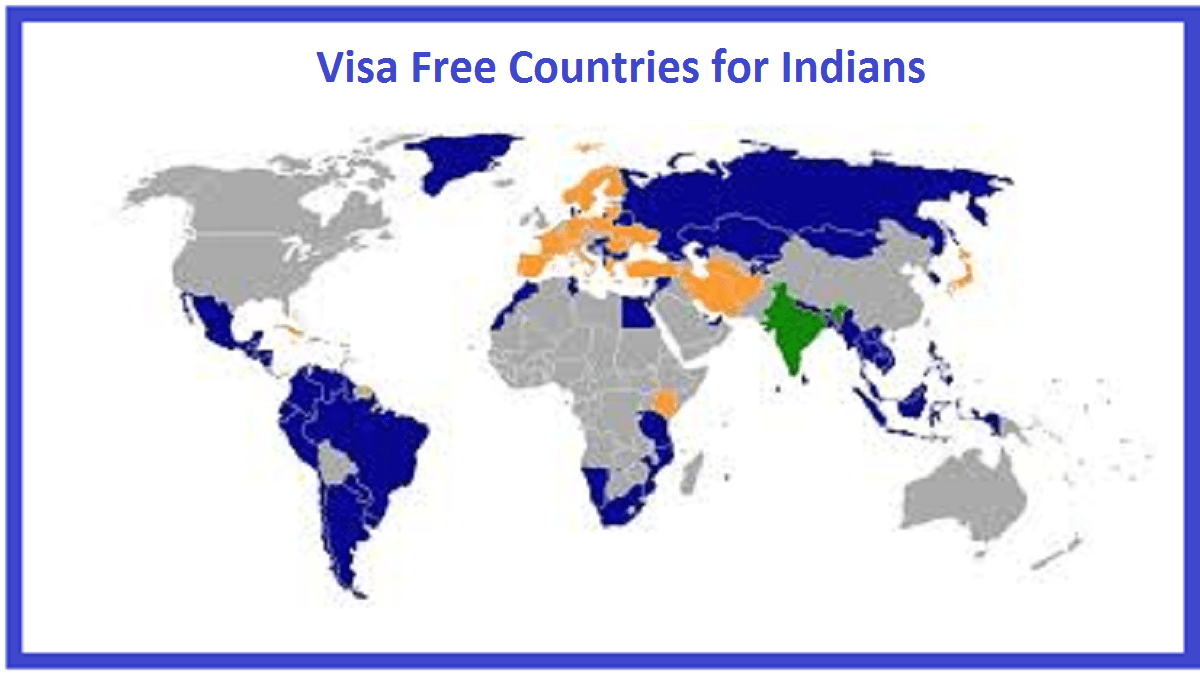
Several destinations across Asia, Africa, and the Caribbean and Pacific regions offer visa-free entry for Indian citizens, typically for stays ranging from 14 to 90 days depending on the country’s specific policy.
Quick answer: Indian passport holders currently enjoy visa-free or visa-on-arrival access to a growing list of destinations across Asia, Africa, and the Pacific — always verify current status directly with the destination’s official immigration website before booking, since policies do change.
Southeast Asian Access
Thailand, Indonesia, Malaysia, and the Maldives all offer either visa-free entry or visa-on-arrival for Indian passport holders, making the region particularly accessible for shorter notice trips.
African Destinations Expanding Access
Several African nations, including Kenya (via an electronic travel authorization system) and Mauritius, have simplified entry processes for Indian travelers in recent years, part of a broader push to boost tourism numbers from India specifically.
How to Verify Current Visa Status Before Booking
Always check the destination country’s official immigration or foreign affairs website directly, rather than relying on older blog posts or forum threads — visa policy pages get updated, but secondhand travel content often doesn’t.
Practical Tips for Visa-Free Travel
- Even visa-free entry often requires proof of onward travel and sufficient funds — carry documentation just in case
- Passport validity of at least 6 months beyond your travel dates is typically required regardless of visa status
- Some visa-free arrangements have annual caps or specific entry point requirements — read the fine print
- Travel insurance is still worth having even where a visa isn’t required
FAQ
How can I find the most current visa-free country list for Indian passport holders? Check the specific country’s official immigration website, since these lists change and secondhand sources can be outdated.
Do visa-free countries still require any documentation? Usually yes — proof of onward travel, accommodation booking, and sufficient funds are commonly required even without a formal visa.
Is visa-on-arrival the same as visa-free entry? No — visa-on-arrival still requires a fee and processing at the airport, while visa-free means no visa formality is needed at all.
Does a visa-free country ever change to requiring a visa again? Yes, this does happen based on diplomatic and policy shifts, which is why checking current status before booking matters.
Are visa-free stays limited to short durations only? Typically yes, ranging from 14-90 days depending on the specific country’s policy.
Conclusion
Keeping track of visa-free countries for Indian passport holders opens up spontaneous travel options that simply weren’t practical a few years ago. Always double-check current requirements directly with official sources before booking flights, since a policy that was accurate last year may have already shifted by the time you’re ready to travel.
[link to related guide: New Tourist Taxes Introduced in Popular Destinations] [Image alt text: “Indian passport with boarding pass and world map in background”]