Category: Food & Culture

  • Street Food Guide: Must-Try Dishes Around the World

    Street Food Guide: Must-Try Dishes Around the World

    Introduction

    Restaurants rarely capture a place’s actual food culture the way a busy street stall does — the good ones develop a following purely on word of mouth, no marketing budget required. This guide to the best street food around the world focuses on dishes worth building an entire meal, or even a day, around.

    Why Street Food Often Beats Restaurant Food

    Street vendors typically specialize in one or two dishes, perfected over years, rather than running a broad menu. That specialization usually means better quality for that specific item than a restaurant trying to do everything.

    Bangkok, Thailand: Pad Thai and Beyond

    Pad thai gets the fame, but boat noodles (kuay teow reua) from a proper street stall — rich, dark broth, often with pork blood as a traditional ingredient — deserve just as much attention from adventurous eaters.

    Quick answer: Bangkok’s street food scene is widely considered among the best in the world — beyond pad thai, dishes like boat noodles and moo ping (grilled pork skewers) showcase depth most restaurants can’t match.

    Mexico City, Mexico: Tacos al Pastor

    Trompo-roasted pork, thin-sliced straight off a vertical spit, topped with pineapple and cilantro — this is genuinely one of the best-value street foods anywhere, often costing under a dollar per taco.

    Mumbai, India: Vada Pav and Pav Bhaji

    Mumbai’s street food scene runs on speed and flavor — vada pav (a spiced potato fritter in a bun) and pav bhaji (a spiced vegetable mash with buttered bread) are both staples that locals eat multiple times a week, not just tourists.

    Istanbul, Turkey: Simit and Balik Ekmek

    Simit, a sesame-crusted bread ring sold from carts across the city, makes a perfect breakfast. Balik ekmek (grilled fish sandwiches) sold near the Galata Bridge offer one of the best cheap seafood meals in Europe.

    Hanoi, Vietnam: Banh Mi and Bun Cha

    Banh mi’s crusty baguette (a French colonial legacy) filled with pork, pickled vegetables, and herbs is nearly perfect as street food goes. Bun cha — grilled pork with rice noodles — is worth seeking out specifically at a busy stall with a constant local crowd.

    How to Eat Street Food Safely

    • Choose stalls with high turnover and visible crowds — food sitting out unsold is the real risk, not the setting itself
    • Watch food being cooked fresh in front of you rather than pre-made and reheated
    • Carry hand sanitizer, and don’t be shy about using it before eating
    • Start with cooked, hot dishes before trying raw or lightly prepared street food if your stomach is sensitive

    FAQ

    Is street food safe to eat while traveling? Generally yes, if you choose busy stalls with fresh, visibly cooked food and good turnover.

    What’s the most famous street food dish in the world? Pad thai and tacos al pastor are among the most globally recognized, though “best” varies heavily by personal taste.

    How much does street food typically cost? Usually $1-3 per dish across most of Asia and Latin America, making it one of the most budget-friendly ways to eat while traveling.

    Should I avoid street food if I have a sensitive stomach? Not necessarily — starting with fully cooked, hot dishes and building up gradually usually works better than avoiding it entirely.

    Can vegetarians find good street food options? Yes, particularly in India and much of Southeast Asia, where vegetarian street food is widely available and often excellent.

    Conclusion

    This tour through the best street food around the world barely scratches the surface, honestly — every city has its own specialty worth tracking down. Follow the local crowd, not the tourist line, and you’ll usually end up eating better than anyone with a restaurant reservation.

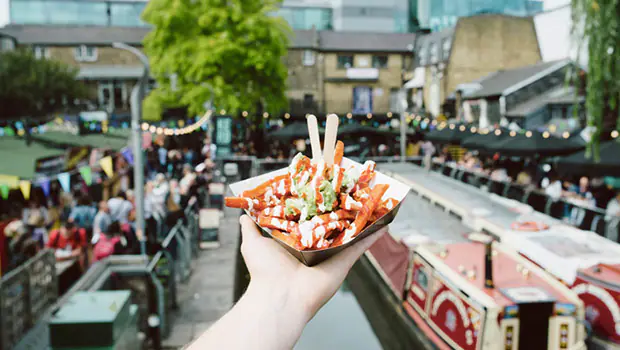
    [link to related guide: Local Festivals Every Traveler Should Experience] [Image alt text: “Street food vendor grilling skewers at a busy night market stall”]
  •  Local Festivals Every Traveler Should Experience Once

     Local Festivals Every Traveler Should Experience Once

    Introduction

    Planning a trip around a festival rather than just a destination changes the entire experience — you’re not just seeing a place, you’re seeing it at its most alive. These best cultural festivals to attend made this list because they’re not just tourist spectacles; they’re genuinely meaningful to the people celebrating them.

    Why Timing a Trip Around a Festival Matters

    Visiting a destination during its major festival often shows you an entirely different side of local culture — food, music, and rituals that simply aren’t visible the rest of the year. It does mean higher prices and crowds, but the trade-off is usually worth it.

    Holi, India

    The festival of colors, celebrated primarily in North India (Mathura and Vrindavan hold particularly famous, large-scale celebrations), typically falls in March. Strangers throw colored powder at each other in the streets — chaotic, joyful, and genuinely hard to describe until you’ve experienced it firsthand.

    Quick answer: Holi in India, especially in Mathura and Vrindavan, is one of the most vivid cultural festivals worldwide — a full day of color-throwing, music, and street celebration that typically falls in March each year.

    Songkran, Thailand

    Thai New Year, celebrated in mid-April, turns entire cities into massive water fights lasting several days. Bangkok and Chiang Mai host the biggest celebrations, though the water-fight chaos is genuinely nationwide.

    Dia de los Muertos, Mexico

    Far from morbid despite the name, this early November celebration honors deceased loved ones through vibrant altars, marigold-covered graves, and elaborate skull face paint. Oaxaca is widely considered to host the most authentic, community-centered celebrations.

    Rio Carnival, Brazil

    The scale here is genuinely hard to overstate — massive samba parades, elaborate costumes built over months, and street parties that essentially take over the entire city for about a week, typically in February or March.

    Diwali, India

    The festival of lights, usually falling in October or November, transforms cities with oil lamps, fireworks, and family gatherings. Jaipur and Varanasi both offer particularly striking visual experiences for travelers during this period.

    Planning Around a Major Festival

    • Book accommodation 3-6 months ahead — festival periods sell out fast and prices spike significantly
    • Research specific local customs beforehand; some festivals have etiquette that outsiders unknowingly violate
    • Expect significantly higher prices for flights and hotels during major festival weeks
    • Confirm exact dates each year, since many of these festivals follow lunar calendars and shift annually

    FAQ

    What’s the best time of year to see Holi in India? Holi typically falls in March, though the exact date shifts yearly based on the lunar calendar — check dates for the specific year you’re planning.

    Is it respectful for tourists to participate in Dia de los Muertos? Yes, generally, as long as visitors approach it respectfully — understanding it’s a meaningful remembrance tradition, not just a costume party.

    How expensive does Rio Carnival get for travelers? Prices for flights and hotels can double or triple compared to off-season rates, so booking well in advance is essential.

    Do I need to buy tickets for Songkran water festival activities? Most public street celebrations are free, though some ticketed pool parties and events exist in bigger cities like Bangkok.

    Which of these festivals is most beginner-friendly for first-time festival travelers? Diwali tends to be the most approachable for first-timers — vibrant but calmer than the full chaos of Holi or Carnival.

    Conclusion

    Any one of these best cultural festivals to attend is worth building an entire trip around at least once — the energy simply isn’t replicable outside the festival window. Pick the one that matches your travel style, book early, and go in with an open mind about how loud and colorful it’s genuinely going to get.

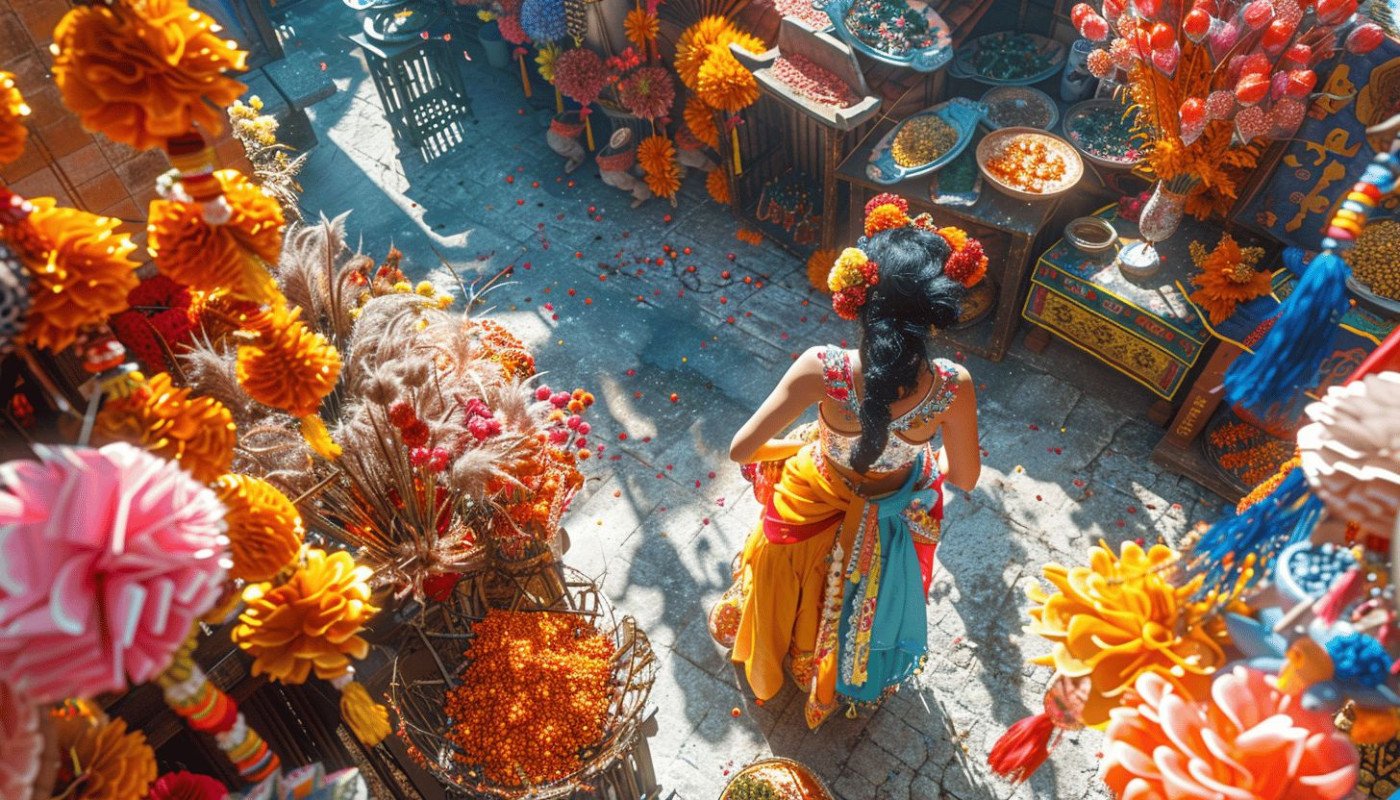
    [link to related guide: Street Food Guide: Must-Try Dishes Around the World] [Image alt text: “Crowd celebrating Holi festival with colored powder in the air”]

  • Food Etiquette Around the World: What Not to Do

    Food Etiquette Around the World: What Not to Do

    Introduction

    Nobody wants to accidentally insult their host over something as simple as how they held their chopsticks. Getting food etiquette while traveling wrong rarely causes a huge scene, but it does mark you as an outsider in a way that’s easily avoidable with a bit of prior knowledge — and locals genuinely notice when visitors make the effort.

    Why Food Etiquette Varies So Much

    Table manners evolved around each culture’s specific food, tools, and social values — what reads as polite efficiency in one country reads as rude haste in another. There’s no universal rulebook, which is exactly why research before traveling actually matters.

    Japan: Chopstick Rules That Actually Matter

    Never stick chopsticks upright in a bowl of rice — it resembles a funeral ritual and is considered deeply inappropriate. Passing food chopstick-to-chopstick is similarly avoided for the same reason.

    Quick answer: The most important food etiquette rule in Japan is never sticking chopsticks upright in rice — this mimics a funeral ritual and is one of the most widely recognized dining taboos in Japanese culture.

    India: Right Hand Only

    Eating with your left hand is considered unclean in much of India, since the left hand is traditionally associated with hygiene tasks. This applies even if you’re using the left hand purely to hold a piece of bread while tearing it.

    Middle East: Similar Left-Hand Rules Apply

    Across much of the Middle East, the same right-hand dining custom applies, and it extends to passing dishes at a shared table, not just eating directly.

    France: Bread Etiquette

    Bread is placed directly on the table, not on your plate, and it’s used to push food onto your fork rather than eaten as a separate course throughout most of the meal.

    China: Finishing Your Plate

    Leaving a small amount of food on your plate signals you’re satisfied and were served generously; finishing everything can sometimes be read as suggesting you weren’t given enough — the opposite of Western “clean plate” etiquette.

    Italy: Cappuccino Timing

    Ordering a cappuccino after 11 AM, especially after a meal, is considered unusual by locals — milk-heavy coffee is traditionally a breakfast drink, not an after-dinner one.

    General Food Etiquette Tips for Any Destination

    • Watch what locals at nearby tables do before assuming your home country’s norms apply
    • Ask politely if unsure — most locals appreciate the effort more than they mind the question
    • Research tipping customs specifically, since they vary enormously and getting this wrong is common
    • Avoid pointing at people with cutlery or chopsticks in most Asian dining cultures

    FAQ

    Is it rude to ask for substitutions at restaurants abroad? It depends heavily on the country — it’s common and accepted in the US, but can be seen as unusual or demanding in parts of Europe and Asia.

    Should I always finish my plate while traveling? Not always — in China and parts of the Middle East, leaving a small amount is actually the more polite choice.

    Is tipping expected everywhere? No — it’s expected in the US, optional but appreciated in much of Europe, and sometimes considered unnecessary or even mildly rude in Japan.

    What’s the biggest food etiquette mistake tourists make? Applying home-country dining habits universally, without checking whether they translate to the destination’s own customs.

    Is it okay to take photos of food at restaurants abroad? Generally yes at casual and mid-range restaurants, though it’s worth being more discreet at very traditional or high-end establishments.

    Conclusion

    Getting food etiquette while traveling right isn’t about memorizing an exhaustive rulebook for every country — it’s about staying observant and asking when you’re unsure. Most locals genuinely appreciate visitors who make even a small effort, and that goodwill tends to open doors that etiquette alone never could.

    [link to related guide: Local Festivals Every Traveler Should Experience] [Image alt text: “Traditional shared meal setting with chopsticks and small dishes”]