Category: Travel Guides

  • Latest Airline Baggage Rules You Need to Know (2026)

    Latest Airline Baggage Rules You Need to Know (2026)

    Introduction

    Baggage rules seem like the most boring part of trip planning, right up until you’re at check-in paying an unexpected fee that could’ve bought you an extra night’s stay. Staying current on airline baggage rules 2026 genuinely saves money, and airlines have been quietly tightening carry-on policies more than most travelers have noticed.

    Why Baggage Rules Keep Getting Stricter

    Airlines have increasingly moved toward unbundled pricing — cheaper base fares with baggage as a separate paid add-on. This shift means baggage allowances that used to be generous a few years ago have shrunk noticeably, especially on budget carriers.

    Carry-On Size Restrictions Are Getting Enforced More Strictly

    Many airlines have started actively measuring carry-on bags at the gate rather than just posting size limits and hoping travelers comply. Budget carriers in particular have tightened enforcement, catching travelers who’ve packed the same bag for years without issue.

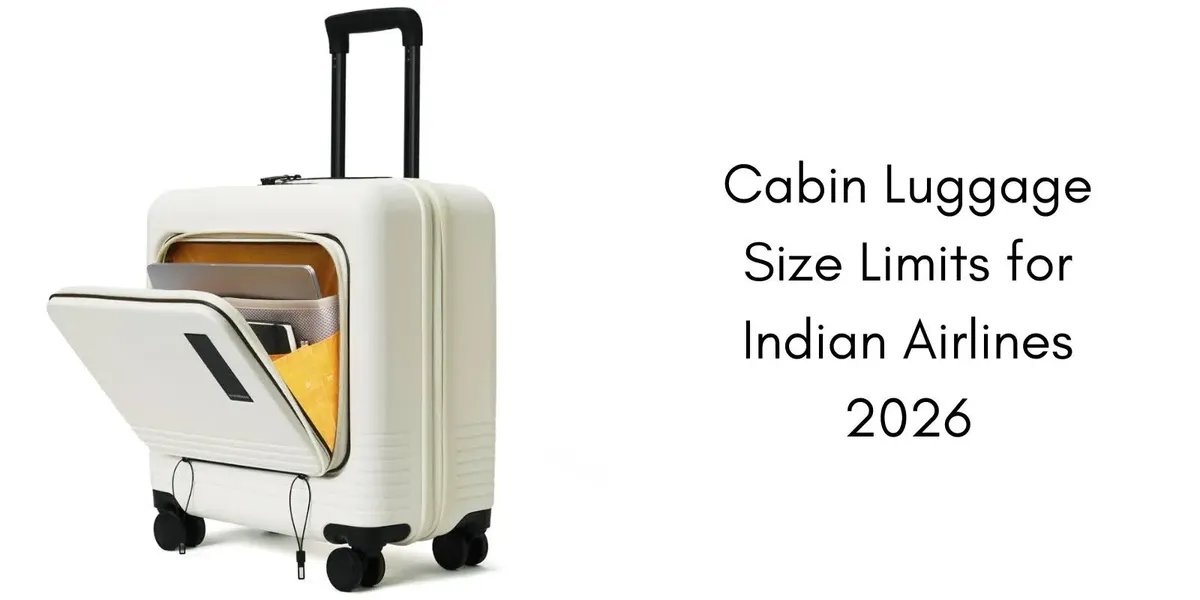
    Quick answer: The clearest change in airline baggage rules 2026 is stricter gate-side enforcement of carry-on size limits, particularly on budget airlines — a bag that passed unnoticed in past years may now get flagged and charged.

    Checked Baggage Weight Limits by Region

    International economy tickets typically allow 20-23kg per checked bag, though this varies significantly by airline and route. Domestic budget carriers within many countries have dropped to as low as 15kg on their base fares.

    Personal Item vs Carry-On: The Distinction Matters More Now

    Airlines increasingly enforce the difference between a “personal item” (small bag fitting under the seat) and a full carry-on — bringing both without paying for the carry-on allowance is a common, costly mistake at check-in.

    Excess Baggage Fees Have Risen

    Overweight and oversized baggage fees have climbed across most major airlines, with some international routes now charging $100-200 for bags exceeding the weight limit by even a small margin.

    How to Avoid Baggage Fee Surprises

    • Weigh your bag at home before heading to the airport — a kitchen scale works fine for this
    • Check your specific fare class’s baggage allowance, not just the airline’s general policy, since it varies by ticket type
    • Pre-pay for extra baggage online rather than at the airport, where fees are typically higher
    • Consolidate carry-on and personal item contents carefully if your airline enforces both size limits separately

    FAQ

    Do all airlines have the same baggage weight limits? No — limits vary significantly by airline, route, and fare class, so always check your specific booking’s allowance.

    Is it cheaper to pay for extra baggage online or at the airport? Online, almost always — airport baggage fees typically run higher than pre-booked online rates.

    What happens if my carry-on doesn’t fit the airline’s size limit? It’s typically gate-checked for a fee, or you’re required to check it at the counter, depending on the airline’s specific policy.

    Do budget airlines have stricter baggage rules than full-service airlines? Generally yes — budget carriers tend to have smaller base allowances and stricter enforcement of size and weight limits.

    Can I combine checked baggage allowance between family members on the same booking? Some airlines allow this, but it varies — check directly with the airline, since it’s not a universal policy.

    Conclusion

    Staying updated on airline baggage rules 2026 isn’t just a formality — it’s genuinely one of the easiest ways to avoid an unnecessary expense at the airport. Weigh your bags before leaving home, check your specific fare’s allowance, and pre-pay for extra baggage online if you know you’ll need it.

    [link to related guide: New Visa-Free Countries for Indian Passport Holders] [Image alt text: “Traveler weighing suitcase on a scale before heading to the airport”]


  • Complete First-Time Travel Guide to Bali: Costs & Tips

    Complete First-Time Travel Guide to Bali: Costs & Tips

    Introduction

    Half the people I know who’ve been to Bali planned it in a weekend and regretted at least one booking decision. A solid Bali travel guide saves you from that — not because Bali’s complicated, but because it’s easy to overspend on the wrong things (looking at you, beach club minimum spends) while underspending on the parts that actually matter, like a good driver.

    How Many Days Do You Actually Need

    Five days feels rushed. Ten days feels indulgent unless you’re combining it with the Gili Islands or Nusa Penida. Seven days hits the sweet spot — enough time for Ubud, Canggu, and one island hop, without feeling like you’re sprinting between temples.

    Where to Stay: Area by Area

    Canggu suits people who want beach clubs, surf lessons, and good coffee within walking distance. Ubud fits the yoga-and-rice-terrace crowd better. Uluwatu works if cliffside views and world-class surf breaks matter more to you than nightlife.

    Quick answer: For a first Bali trip, split your stay between Canggu (3 nights) for beaches and food, and Ubud (2 nights) for rice terraces and temples — it covers Bali’s two very different personalities.

    Realistic Daily Budget

    A mid-range trip runs about ₹4,000-6,000 per day per person, covering a decent guesthouse, scooter rental, food at local warungs, and one paid activity daily. Luxury villas push that number up fast — some run ₹15,000+ a night alone.

    Visa Requirements for Indian Travelers

    Indonesia offers visa-on-arrival for Indian passport holders, valid for 30 days and extendable once. Costs around ₹2,500-3,000 at the airport, payable by card in most counters now.

    Must-Do Things That Are Actually Worth It

    • Tegallalang Rice Terraces at 7 AM, before tour buses arrive
    • A day trip to Nusa Penida for Kelingking Beach (rent a private driver, roads are rough)
    • Uluwatu Temple at sunset, despite the crowds — it earns the hype
    • A cooking class in Ubud, genuinely one of the better-value activities

    Common First-Timer Mistakes

    Renting a scooter without an international license is a real risk — police checkpoints do exist, and fines add up. Also, booking beach clubs without checking the minimum spend has burned more than a few travelers I’ve talked to.

    FAQ

    Is Bali expensive in 2026? It’s gotten pricier in tourist zones like Canggu and Seminyak, but local food and transport remain cheap by global standards.

    What’s the best time to visit Bali? April-October, the dry season, though June-August gets crowded and pricier.

    Do I need to book activities in advance? Popular ones like the Nusa Penida day trip and cooking classes fill up — book 2-3 days ahead during peak season.

    Is Bali safe for first-time travelers? Generally yes, though petty theft and traffic accidents (especially scooter-related) are the main risks to watch for.

    Can I drink tap water in Bali? No — stick to bottled or filtered water throughout your trip.

    Conclusion

    This Bali travel guide isn’t about squeezing in every possible activity — it’s about not wasting your first two days figuring things out that a five-minute read could’ve solved. Book your visa-on-arrival money in cash and card both, split your stay between two areas, and leave at least one afternoon with nothing planned. Bali rewards the unplanned hour more than the packed itinerary.

    [link to related guide: Best Winter Sun Destinations for Indian Travelers] [Image alt text: “Tourists walking through Tegallalang rice terraces in Bali at sunrise”]

  • Budget Backpacking Guide to Southeast Asia ($30/Day)

    Budget Backpacking Guide to Southeast Asia ($30/Day)

    Introduction

    Thirty dollars a day sounds impossible until you actually try it in Southeast Asia — and then it starts to feel almost generous in some countries. This budget backpacking guide breaks down exactly where that money goes, because vague “travel cheap!” advice online rarely tells you the actual numbers.

    Why Southeast Asia Still Works for This Budget

    Vietnam, Cambodia, and Laos remain some of the cheapest places to backpack anywhere in the world, even with inflation pushing prices up slightly since the pandemic years. Thailand’s gotten pricier in tourist hubs, but rural areas still fit the budget easily.

    Daily Cost Breakdown

    A realistic $30 day includes: $8-10 for a dorm bed or basic private room, $8-10 for three meals at local spots (not tourist restaurants), $5-7 for local transport, and $5-7 left over for one activity or a couple of beers.

    Quick answer: A realistic $30/day Southeast Asia budget covers a dorm bed, three local meals, transport, and one activity — tightest in Thailand’s islands, most comfortable in Vietnam and Laos.

    Where Your Money Stretches Furthest

    Laos and Cambodia offer the most for your dollar right now — a full meal at a local restaurant often costs under $2, and guesthouses in smaller towns run $6-8 a night for a private room, not just a dorm bed.

    Where $30 Gets Tighter

    Thailand’s islands (Koh Phi Phi, parts of Koh Samui) and Bali have gotten notably pricier — you’ll likely need to skip the beach clubs and stick to warungs and hostels to hold the line at $30.

    Money-Saving Strategies That Actually Matter

    • Eat where locals eat — literally follow the lunch crowd, it’s rarely wrong
    • Book overnight buses/trains to save on a night’s accommodation
    • Travel slower — moving cities every 2 days multiplies transport costs fast
    • Negotiate tuk-tuk and taxi fares before getting in, always

    A Sample 2-Week Route on This Budget

    Start in Hanoi, work south through Hoi An and Ho Chi Minh City, cross into Cambodia for Siem Reap and Phnom Penh, and finish with a few days in Laos. Overland buses connect all of these affordably.

    FAQ

    Is $30 a day realistic in 2026, given inflation? Yes, in Vietnam, Cambodia, and Laos specifically — Thailand and Bali need more careful budgeting to hit this number.

    What’s the biggest budget-killer for backpackers? Alcohol and impulse-booked activities, more than accommodation or food, typically blow past most people’s daily budgets.

    Should I book accommodation in advance or find it on arrival? Booking the first night only, then finding places on arrival, usually gets better prices without the risk of arriving with nowhere to stay.

    Is it safe to backpack alone on this budget? Yes — budget backpacking hostels tend to be very social, and solo travelers rarely stay solo for long on this route.

    Do I need travel insurance for a backpacking trip? Absolutely — it’s one line item worth never cutting from a budget backpacking trip, given how common minor accidents and illness are.

    Conclusion

    This budget backpacking guide proves $30 a day isn’t a myth in Southeast Asia — it just requires eating where locals eat and resisting the beach club upsell. Start in Vietnam or Laos if you want the most breathing room in your budget, and loosen up slightly once you’ve got a feel for local prices.

    [link to related guide: Complete First-Time Travel Guide to Bali] [Image alt text: “Backpacker eating street food from a local vendor stall in Hanoi”]

  • Solo Female Travel Guide: Safety Tips & Destinations

    Solo Female Travel Guide: Safety Tips & Destinations

    Introduction

    A lot of solo female travel advice online reads like it was written by someone who’s never actually traveled solo — vague, overly cautious, or oddly patronizing. This solo female travel guide skips that and focuses on what genuinely matters: which destinations are realistically safe, and what habits actually reduce risk instead of just making you feel busy.

    Choosing Your First Solo Destination

    Your first solo trip shouldn’t be the most ambitious one on your list. Pick somewhere with decent English signage, reliable public transport, and a low violent-crime rate — you can build up to the more remote, harder-to-navigate places later.

    Japan: Often the Top Pick, and For Good Reason

    Extremely low crime rates, spotless public transport, and a culture where solo dining and solo travel are completely normalized rather than seen as odd. Tokyo and Kyoto both work well for a first solo trip.

    Quick answer: Japan is widely considered the safest destination for solo female travelers — low crime, reliable transport, and a culture that doesn’t treat solo travel as unusual.

    Portugal and Slovenia

    Both rank consistently high on global safety indexes, have walkable city centers, and English is widely spoken in tourist areas. I’ve heard from multiple solo travelers that Lisbon and Ljubljana felt notably relaxed compared to bigger European capitals.

    Practical Safety Habits That Actually Work

    Sharing your live location with one trusted person, rather than a group chat nobody checks, tends to work better in an actual emergency. Booking your first night’s accommodation before arrival — even if you plan to wing it later — avoids arriving somewhere unfamiliar after dark with no plan.

    • Research the neighborhood’s safety before booking, not just the property’s reviews
    • Keep a physical copy of your passport and one card separate from your main wallet
    • Trust your gut over politeness — it’s fine to leave a conversation abruptly if something feels off
    • Avoid publicly posting your live location on social media until after you’ve left

    Destinations to Approach With More Caution (Not Avoid, Just Prepare)

    Some destinations require more planning, not avoidance — India’s smaller towns, parts of South America, and certain Middle Eastern countries can be entirely safe with the right local guides and research, but they’re not ideal “first solo trip” picks.

    Budget for Solo Travel

    Solo travel often costs more per person than group trips since you’re not splitting accommodation. Budgeting 20-30% more than a typical per-person group cost is realistic, particularly for private rooms rather than shared dorms.

    FAQ

    What’s the safest country for solo female travelers in 2026? Japan consistently tops most safety rankings, followed closely by Slovenia and Portugal.

    Is solo female travel actually more dangerous than traveling with others? Statistically, most solo female travelers report positive experiences — the perceived risk is often higher than actual risk in well-chosen destinations.

    Should I tell strangers I’m traveling alone? Many experienced solo travelers avoid volunteering this detail unnecessarily, without being paranoid about it.

    Are hostels safe for solo women? Female-only dorms at well-reviewed hostels are generally safe and a good way to meet other travelers.

    What should I pack that I might not think of? A door wedge alarm and a portable charger are two small items solo travelers often say they wish they’d packed sooner.

    Conclusion

    The best solo female travel guide advice isn’t about being fearful — it’s about being prepared enough that fear doesn’t need to be part of the trip at all. Start with a destination like Japan or Slovenia, build your confidence, and you’ll likely find the “danger” everyone warns you about was mostly overstated.

    [link to related guide: Budget Backpacking Guide to Southeast Asia] [Image alt text: “Solo female traveler walking through a quiet street in Kyoto Japan”]

  • Getting Around Bengaluru on Your Own Terms: Why Renting a Car Still Makes Sense

    Getting Around Bengaluru on Your Own Terms: Why Renting a Car Still Makes Sense

    Bengaluru has a funny relationship with distance. A place may look surprisingly close on a map, yet getting there can turn into a small adventure involving traffic, changing weather, crowded roads, and a few unexpected diversions. Anyone who has spent even a couple of days in the city knows this. Ten kilometres isn’t always just ten kilometres here.

    That’s one reason renting a car has become such a practical option for visitors as well as residents. It gives you something public transport and ride-hailing apps don’t always provide: control. You decide when to leave, where to stop, how long to stay, and whether that spontaneous coffee break on the way is actually worth taking.

    When Convenience Matters More Than Distance

    There are plenty of ways to move around Bengaluru. The Metro works brilliantly on certain routes, buses cover a huge part of the city, and cabs are available almost everywhere. Still, every option has its limits.

    Imagine having meetings in Whitefield in the morning, lunch somewhere around Indiranagar, and another appointment near Electronic City later in the day. Booking separate rides can work, of course, but waiting for drivers, dealing with cancellations, and watching fares change during busy hours gets tiring rather quickly.

    Choosing a rental car in bengaluru can make this kind of day feel considerably less complicated. You have the vehicle available when you need it, and your schedule doesn’t depend quite so much on whether a driver accepts your booking.

    For families, the difference can feel even bigger. Travelling with children, elderly parents, shopping bags, or luggage is simply easier when you don’t have to repeatedly pack and unpack everything between rides.

    Self-Drive or Chauffeur? It Depends on the Day

    Self-drive rentals appeal to people who enjoy independence. You collect the car, follow your own route, and don’t have to explain every little change of plan to somebody else. They’re particularly useful for weekend trips outside Bengaluru, where the journey itself is often part of the experience.

    A chauffeur-driven vehicle, though, has its own charm. Bengaluru traffic can demand patience, especially during office hours. If you’re visiting the city for business or simply don’t enjoy navigating unfamiliar roads, having someone else drive means you can answer emails, talk with family, or just stare out the window for a while.

    Neither choice is automatically better. The sensible option depends on your itinerary, confidence behind the wheel, budget, and how much driving you actually expect to do.

    Look Beyond the Daily Rental Price

    The cheapest-looking deal isn’t necessarily the cheapest trip. This catches people out more often than you’d think.

    Before confirming a booking, check what’s included in the quoted amount. Some rentals come with kilometre limits, while others offer relatively generous or unlimited usage. Fuel policies vary too. Security deposits, interstate permissions, late-return charges, tolls, cleaning fees, and additional-driver costs can all change the final bill.

    When comparing cars rental options, it’s worth spending five extra minutes reading the terms rather than choosing purely on the headline price. A slightly more expensive vehicle with transparent conditions can easily work out cheaper than a bargain deal loaded with additional charges.

    Also inspect the car when collecting it. Take a few photographs or a short video showing the exterior, wheels, fuel level, and dashboard. It’s a boring little habit, admittedly, but a useful one.

    Choose the Car for the Journey, Not the Photograph

    It’s tempting to pick a vehicle because it looks good in the listing. Practicality deserves more attention.

    For two people mainly travelling within Bengaluru, a hatchback or compact automatic is often enough. Smaller cars are easier to handle in tight streets and parking spaces, and they generally use less fuel.

    A sedan may make more sense for airport runs, business travel, or longer highway journeys. Families carrying several suitcases might appreciate the additional boot space of an SUV or MPV. If six people are travelling together, squeezing everyone into a smaller vehicle to save a little money usually stops feeling clever after the first hour.

    Comfort matters, particularly when Bengaluru traffic decides not to cooperate.

    Bengaluru Is Also a Starting Point

    One underrated advantage of having your own rental vehicle is what lies beyond the city.

    Nandi Hills is an obvious early-morning escape, while Mysuru works nicely for a longer day trip or overnight stay. Depending on how much time you have, destinations such as Shivanasamudra, Chikkaballapur, Ramanagara, and even Coorg can turn a straightforward Bengaluru visit into something more memorable.

    With your own vehicle, those trips don’t have to run according to somebody else’s timetable. You can leave early, stop at a roadside restaurant, change your route, or spend an extra hour somewhere because the place turned out to be better than expected.

    That freedom is difficult to put into a price comparison.

    A Few Details Worth Checking Before You Leave

    Don’t wait until you’re sitting inside the vehicle to discover something important. Confirm the required driving licence and identification documents beforehand. Ask about the security deposit, insurance coverage, roadside assistance, cancellation rules, and what happens if the car develops a problem.

    Check the tyres and basic controls before starting a long journey. Make sure the air conditioning works too — you’ll appreciate that later.

    If you’re driving outside Karnataka, confirm whether the rental agreement permits interstate travel and whether any additional documentation or charges apply. Rules and policies can differ between operators, so assumptions aren’t particularly helpful here.

    The Best Rental Is the One That Fits Your Plans

    Renting a car in Bengaluru isn’t necessary for every traveller. Someone staying near a Metro station and visiting only a handful of central locations may be perfectly happy using public transport and occasional cabs.

    But when the itinerary gets busier, the family gets larger, or the road trip starts calling, having a vehicle of your own can change the experience completely.

    The key isn’t finding the fanciest car or chasing the lowest advertised rate. It’s choosing something comfortable, understanding the rental conditions, and matching the vehicle to the journey you’re actually taking. Do that, and Bengaluru — along with quite a bit of Karnataka beyond it — suddenly feels much easier to explore.