Introduction
Your first scuba dive shouldn’t happen in choppy water with poor visibility — that’s a fast way to make someone quit diving after one try. The best scuba diving destinations for beginners share a few things in common: calm, warm water, strong visibility, and dive schools with genuinely patient instructors.
What Beginners Should Look For in a Dive Destination
Water temperature above 24°C, visibility of at least 15-20 meters, and shallow reef sites under 12 meters depth make the biggest difference in how comfortable a first dive feels.
Gili Islands, Indonesia
Calm, current-light waters close to Bali, with an enormous number of PADI-certified dive schools competing on quality. Turtle sightings here are common enough that instructors almost promise them.
Quick answer: For first-time divers, the Gili Islands in Indonesia offer some of the best conditions anywhere — warm, calm water, excellent visibility, and a high concentration of well-reviewed PADI dive schools.
Koh Tao, Thailand
Known within the diving community as one of the cheapest places in the world to get PADI certified, without sacrificing water quality or instructor standards. Whale sharks occasionally show up here too, a genuine bonus for beginners.
Great Barrier Reef, Australia (Cairns Section)
More expensive than Southeast Asian options, but the reef diversity is genuinely unmatched. Beginner-specific dive sites near Cairns keep depth and current manageable while still showing off serious coral variety.
Red Sea, Egypt
Exceptionally clear water and consistently warm temperatures year-round make this a reliable pick regardless of season — a rare quality among dive destinations that often have narrow weather windows.
Andaman Islands, India
A genuinely underrated option for Indian divers specifically — no international flight required, decent PADI schools around Havelock Island, and coral reef quality that surprises most first-timers.
First Dive Preparation Tips
- Book a discovery dive (a single supervised dive) before committing to a full certification course
- Avoid diving within 24 hours before or after a flight, due to decompression risk
- Choose a dive school with small group sizes — 4 students per instructor or fewer, ideally
- Don’t skip the pool/confined water session, even if it feels unnecessary
FAQ
Do I need to know how to swim to try scuba diving? Yes, basic swimming competence is typically required, even for a beginner discovery dive.
How long does PADI certification take? Open Water certification typically takes 3-4 days, combining theory, pool sessions, and open water dives.
Is scuba diving safe for first-timers? Yes, when done with certified instructors following standard safety protocols — serious incidents are rare relative to the number of dives conducted globally.
What’s the cheapest place to get PADI certified? Koh Tao, Thailand is widely known as one of the most affordable options globally without compromising on quality.
Can I scuba dive if I wear glasses or contact lenses? Yes — prescription dive masks are available, and contact lenses generally work fine underwater with standard masks.
Conclusion
Picking the right one of these best scuba diving destinations as a beginner genuinely shapes whether you fall in love with diving or never try it again. Start somewhere calm like the Gili Islands or Koh Tao, get comfortable underwater, and the more demanding dive sites will still be there once you’re ready for them.
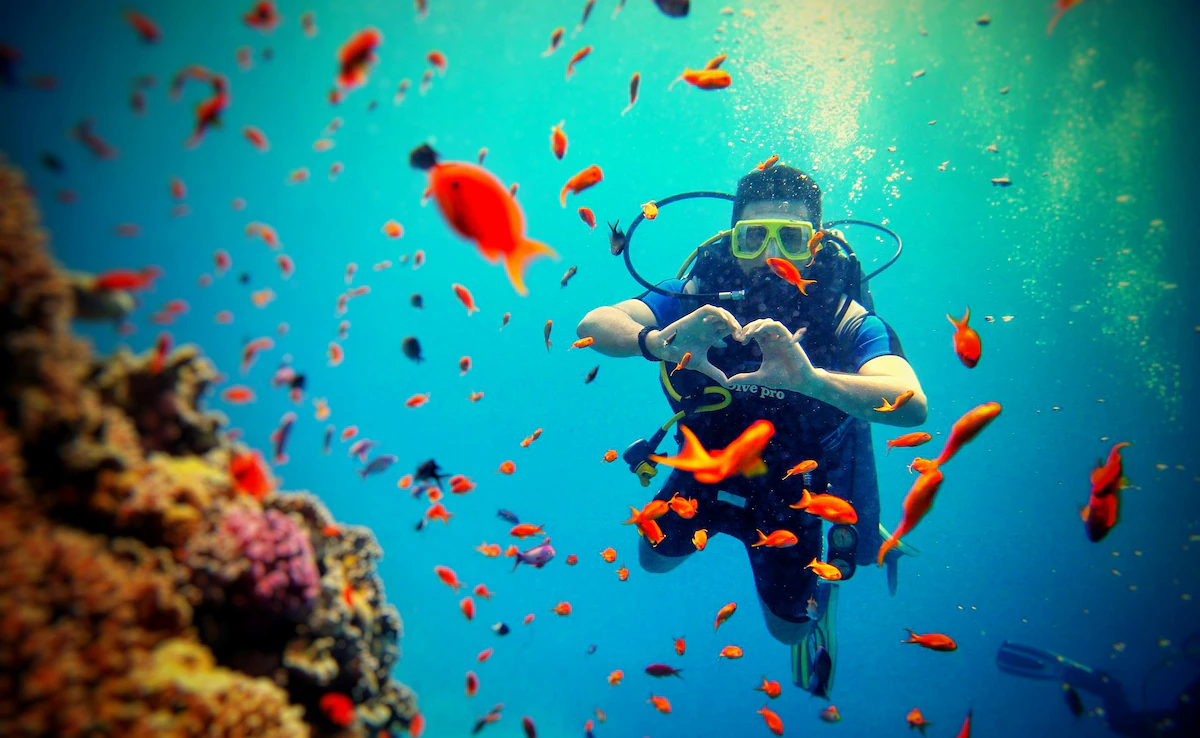
[link to related guide: Best Trekking Trails in the Himalayas for Beginners] [Image alt text: “Beginner scuba diver exploring coral reef with instructor nearby”]