Introduction
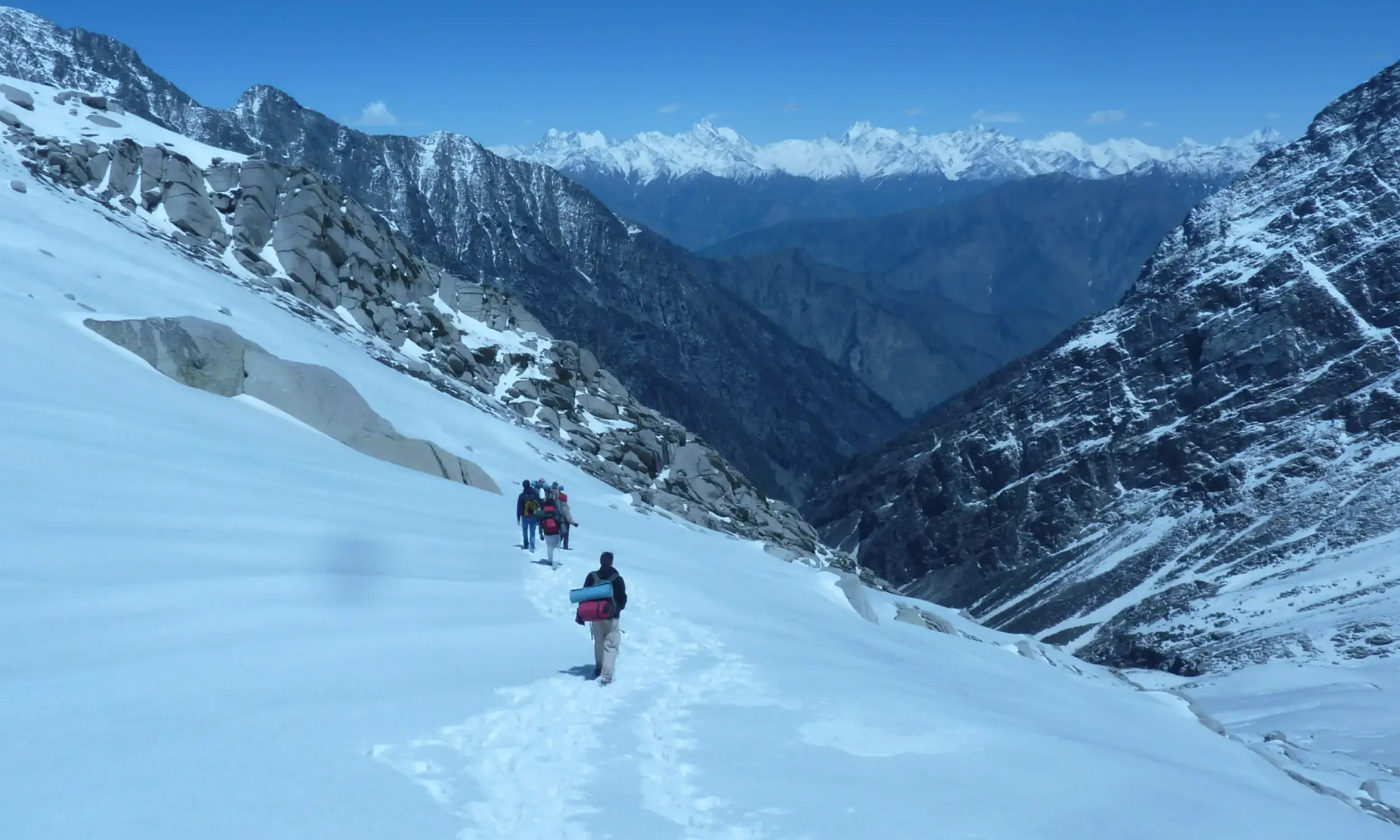
The Himalayas have a reputation for extreme, expedition-level trekking, which scares off a lot of beginners who assume every trail requires months of prior training. That’s not true. Several Himalayan trekking trails are genuinely beginner-friendly, well-marked, and don’t demand technical climbing experience — just reasonable fitness and the right season.
What Makes a Trek “Beginner-Friendly”
Altitude gain per day, trail difficulty, and total trek duration are the three factors that matter most. A good beginner trek stays under 4,000 meters, gains altitude gradually, and runs 4-6 days rather than two weeks.
Kedarkantha Trek, Uttarakhand
A 6-day trek reaching 12,500 feet, with a summit that offers 360-degree Himalayan views. It’s widely considered one of the best introductions to snow trekking in India, typically done between December and April.
Quick answer: Kedarkantha is widely rated the best beginner Himalayan trek in India — a 6-day route with gradual altitude gain, well-marked trails, and stunning snow-capped summit views, ideal for December-April.
Triund Trek, Himachal Pradesh
A short 2-day trek near McLeod Ganj, perfect for someone testing whether trekking is even for them before committing to something longer. The Dhauladhar range views from the top are strikingly close given how little effort it takes to get there.
Nag Tibba Trek, Uttarakhand
Often called a “weekend trek,” this 2-day route near Dehradun is manageable for most fitness levels and offers a good taste of Himalayan trekking without needing more than a weekend off work.
Sandakphu Trek, West Bengal
Slightly longer at 6 days, but the payoff is views of four of the world’s five highest peaks — Everest, Kanchenjunga, Lhotse, and Makalu — from a single vantage point, which is genuinely rare.
Preparing for Your First Himalayan Trek
- Start basic cardio training (jogging, stair climbing) at least 3-4 weeks before departure
- Break in trekking boots well before the trip — new boots on day one is a rookie mistake
- Pack layers rather than one heavy jacket; Himalayan weather shifts fast
- Always trek with a registered local guide or agency, especially for a first attempt
FAQ
Do I need prior experience for these beginner Himalayan treks? No, but basic fitness (being able to walk 8-10km comfortably) makes a significant difference in enjoyment.
What’s the best season for beginner Himalayan treks? March-June and September-November generally offer the most stable weather across most of these routes.
Is altitude sickness a risk on these beginner treks? It’s a lower risk given these treks stay under 4,000m, but staying hydrated and ascending gradually still matters.
How much does a guided beginner Himalayan trek cost? Typically ₹6,000-15,000 depending on duration, inclusions, and the trekking agency.
Can I do these treks solo without a guide? It’s not recommended, even for beginner-rated trails — local guides know terrain and weather patterns that aren’t obvious to first-timers.
Conclusion
These Himalayan trekking trails prove you don’t need mountaineering experience to get a genuine taste of Himalayan scale and silence. Start with something like Triund or Nag Tibba if you’re testing the waters, and work up to Kedarkantha once you know trekking is something you actually enjoy.
[link to related guide: Ultimate Guide to Wildlife Safaris in Africa] [Image alt text: “Trekkers walking snow-covered trail with Himalayan peaks in background”]