Introduction
Planning your first safari involves a surprising number of decisions most people don’t expect — which country, which season, budget versus luxury lodges, self-drive versus guided. This Africa wildlife safari guide cuts through that overwhelm by focusing on what actually matters for a genuinely good first safari experience.
Choosing the Right Country
Kenya and Tanzania dominate for classic Big Five safaris and the Great Migration. South Africa offers the most beginner-friendly infrastructure, with well-developed roads and malaria-free options in parts of the country. Botswana leans more luxury and remote.
Timing Around the Great Migration
The wildebeest migration moves seasonally between Kenya and Tanzania — roughly July-October in Kenya’s Maasai Mara, and December-June across Tanzania’s Serengeti. Timing your trip around this significantly affects which country makes more sense.
Quick answer: For witnessing the Great Migration specifically, visit Kenya’s Maasai Mara between July and October, or Tanzania’s Serengeti between December and June — timing determines which country offers the better sighting window.
Budget vs Luxury Safari: What Actually Differs
Budget safaris (camping, shared vehicles) run $150-250 per day; mid-range lodges with private vehicles run $350-600; luxury tented camps push past $800-1,500 daily. The wildlife viewing quality doesn’t necessarily improve with price — the comfort level does.
South Africa’s Kruger National Park
Uniquely beginner-friendly because it allows self-drive safaris on well-maintained roads, cutting costs significantly compared to fully guided trips elsewhere. Malaria-free lodges are also available in the greater Kruger area for travelers wanting that option.
What a Typical Safari Day Looks Like
Most lodges run early morning game drives (5:30-9:30 AM, when animals are most active) and late afternoon drives (4-7 PM), with rest during the hot midday hours — not a constant, all-day drive as many first-timers assume.
Practical Safari Preparation
- Pack neutral-colored clothing (khaki, olive, brown) — bright colors and white can spook wildlife
- Bring binoculars; most lodges don’t reliably provide quality ones
- Budget for a yellow fever vaccination certificate if required for your specific route
- Book 6-9 months ahead for peak migration season, as top lodges sell out fast
FAQ
What’s the best country in Africa for a first safari? Kenya and South Africa are both excellent for first-timers, with South Africa edging ahead on infrastructure and self-drive accessibility.
How much does a 5-day safari typically cost? Budget options run around $750-1,250 total; mid-range trips run $1,750-3,000; luxury experiences can exceed $4,000 for 5 days.
Is it safe to go on safari with young children? Many lodges have minimum age requirements (often 6-8 years) for game drives, so check specific lodge policies before booking.
Do I need vaccinations for an African safari? Yellow fever, typhoid, and malaria prophylaxis are commonly recommended — consult a travel clinic based on your specific route.
What’s the best time of year to see the most wildlife? Dry season (roughly June-October across most of East and Southern Africa) concentrates wildlife around water sources, making sightings easier.
Conclusion
This Africa wildlife safari guide really comes down to matching your budget and timing to the right country and park — there’s no single “best” safari, just the best one for what you’re prioritizing. Whether that’s the migration, self-drive freedom, or luxury comfort, get the timing right and the rest falls into place.
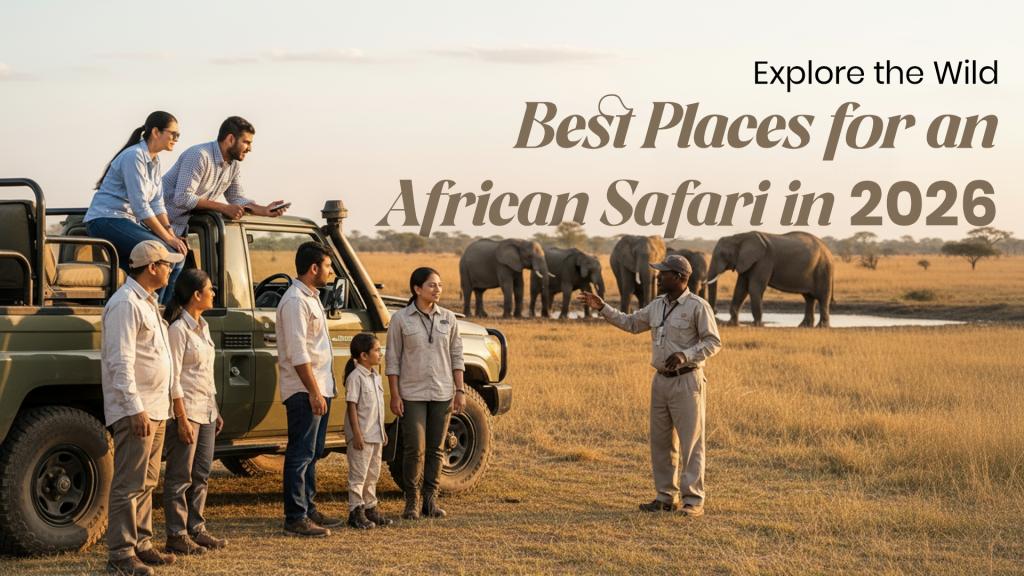
[link to related guide: Top Scuba Diving Destinations for First-Time Divers] [Image alt text: “Safari jeep watching a herd of elephants at sunset in the savanna”]
Three checks before you move.
Verify the rules
Recheck entry requirements, local restrictions, schedules and official notices close to departure.
Compare total cost
Look beyond the headline price and include transfers, baggage, taxes and time.
Keep a backup route
Save alternate transport, flexible bookings and essential contact details offline.
Build a clear plan, not a rigid one.
A strong itinerary gives you direction while leaving enough room for delays, discoveries and better local choices.

Admin
Independent travel guidance focused on clearer decisions, practical routes and fewer avoidable surprises.