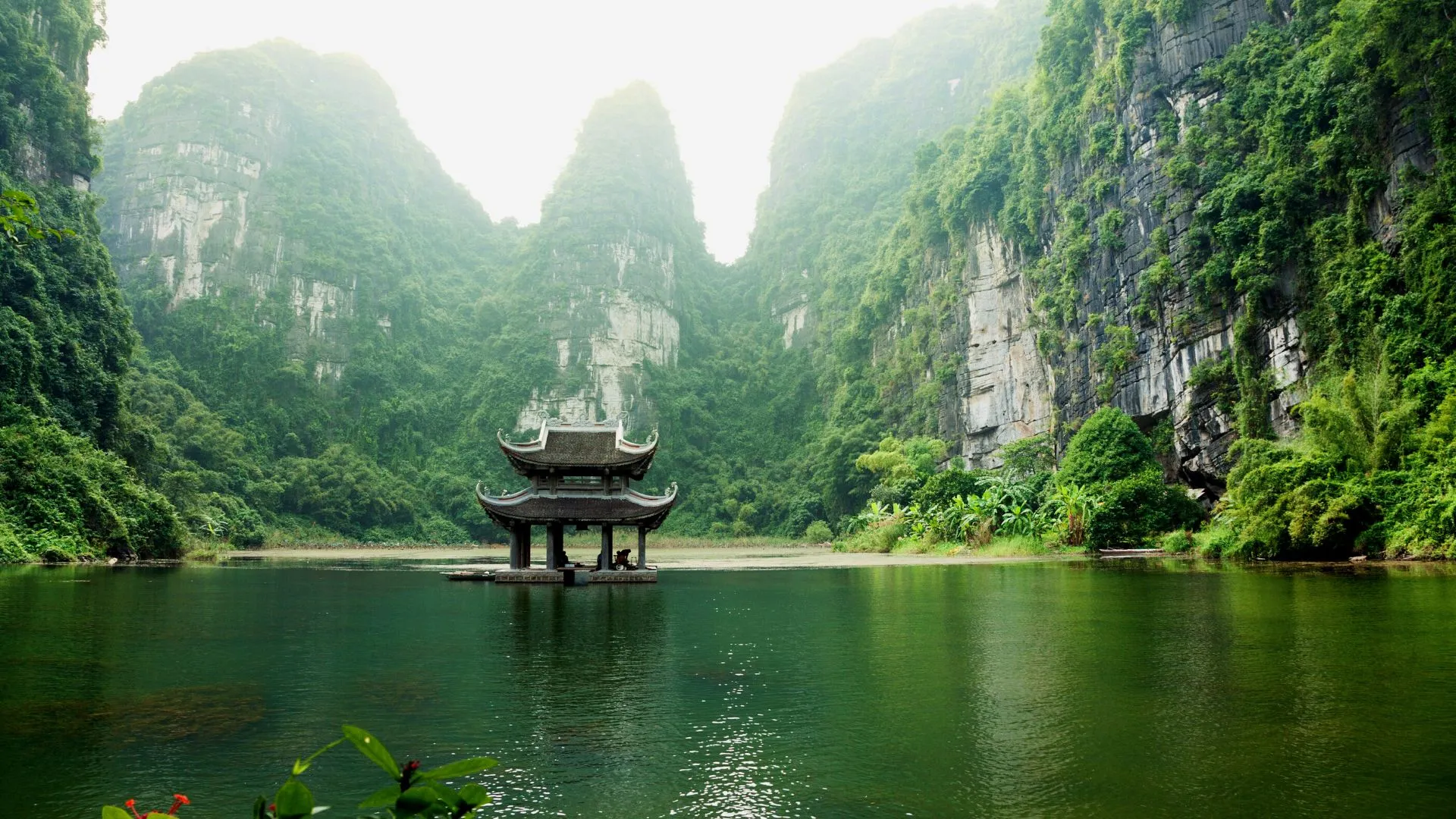
Introduction
Everyone’s been to Bali. Everyone’s posted the same photo from the same swing in Ubud. If you’re tired of planning a trip around someone else’s Instagram feed, you’re in the right place — because Southeast Asia still has genuinely quiet corners left, and finding a real hidden gem travel destination doesn’t require a machete and a prayer. It just takes knowing where to look, and honestly, a little patience with slow ferries.
Why Southeast Asia Still Has Secrets Left
You’d think in 2026, with everyone glued to their phones searching for the next viral spot, nowhere would stay hidden for long. But geography helps here — Southeast Asia is a mess of islands, mountains, and terrible roads, and that’s a good thing for travelers who want space. Some islands are a two-boat, one-bus journey from the nearest airport, and that alone keeps the crowds thin.
I’ve noticed that the places locals actually recommend rarely show up on the first three pages of Google. You have to ask a tuk-tuk driver, not a travel blog.
Con Dao Islands, Vietnam
Con Dao used to be a prison colony under French rule — dark history, but today it’s one of the last untouched island chains in Vietnam. Empty beaches, sea turtle nesting season from May to October, and barely any resorts. Flights from Ho Chi Minh City run under 45 minutes.
Koh Rong Samloem, Cambodia
Hidden gem travel destinations don’t get more literal than this. No cars, limited electricity in parts, and bioluminescent plankton lighting up the water at night. It’s basically what Koh Phi Phi was before Instagram found it.
A 45-60 word snapshot: If you want an island with zero traffic, no ATMs, and water so clear you can count fish from the shore, Koh Rong Samloem in Cambodia is it. Just bring cash — plenty of it — because there’s nowhere nearby to withdraw more once you’re on the island.
Nusa Penida (Before It’s Too Late), Indonesia
Yes, technically people know about Nusa Penida now. But go on a weekday, avoid Kelingking Beach at sunrise (everyone else has the same idea), and head to Peguyangan Waterfall instead — you’ll likely have it to yourself.
Sipadan, Malaysia
Jacques Cousteau reportedly called this one of the best dive sites on earth, and permits are capped daily to protect the reef. That cap alone keeps it from turning into a diving theme park.
Batanes, Philippines
Rolling green hills that look more like Ireland than the tropics, stone houses built to survive typhoons, and a population small enough that everyone genuinely knows everyone. Flights are limited and weather-dependent, so build in buffer days.
Practical Tips for Visiting These Spots
- Book inter-island boats a day ahead — schedules shift with weather more than you’d expect
- Carry cash; card machines are unreliable outside major towns
- Learn 5-10 words of the local language — it changes how people treat you, genuinely
- Avoid peak Chinese New Year and Songkran weeks if you want the “hidden” part to hold true
FAQ
Is Southeast Asia still cheap to travel in 2026? Mostly yes, especially outside Bali and Phuket. Vietnam and the Philippines remain very budget-friendly for food and local transport.
What’s the best month to visit these hidden destinations? November to March avoids most monsoon seasons across the region, though Batanes has its own weather window around March-June.
Are these places safe for solo travelers? Generally yes — petty theft is more common than anything serious, but standard precautions apply everywhere.
Do I need a visa for these countries? Indian passport holders get visa-on-arrival or e-visa access for Vietnam, Cambodia, and the Philippines; Malaysia allows visa-free entry for short stays.
How do I get between these remote islands? Mostly local ferries and small domestic flights — booking a day or two ahead is usually enough outside peak season.
Conclusion
Chasing hidden gem travel destinations in Southeast Asia in 2026 isn’t about finding some untouched paradise nobody’s ever seen — it’s about slowing down enough to notice the places everyone else rushes past. Start with one island on this list, skip the itinerary-packing instinct, and just see what happens when you have a beach to yourself for a change.
[link to related guide: Complete First-Time Travel Guide to Bali] [Image alt text: “Empty white sand beach on Con Dao Islands Vietnam at sunrise”]